48V vs 52V vs 60V: Which E-Bike Battery Voltage is Best in 2026?
Quick Answer: For 95% of riders, a 48V system is the optimal choice in 2026. While 52V or 60V systems offer marginally higher top speeds, they often come with higher costs, compatibility issues, and legal restrictions. The real game-changer isn't higher voltage, but higher capacity (Amp Hours/Ah). A 48V battery with 20Ah-30Ah (like the Poleejiek F6 or BLJ-2625) provides the perfect balance of torque, safety, and massive range without the headaches of non-standard high-voltage systems.
In the world of high-performance e-bikes, buyers are often bombarded with a "numbers game." You see listings for 52V, 60V, or even 72V bikes, implying that "bigger is always better."
But here is the truth many sellers won't tell you: chasing high voltage often means sacrificing reliability and range. In this guide, we will cut through the marketing noise and explain why a high-capacity 48V system is likely the better investment for your riding needs.
The Voltage vs. Capacity Confusion: A Simple Analogy
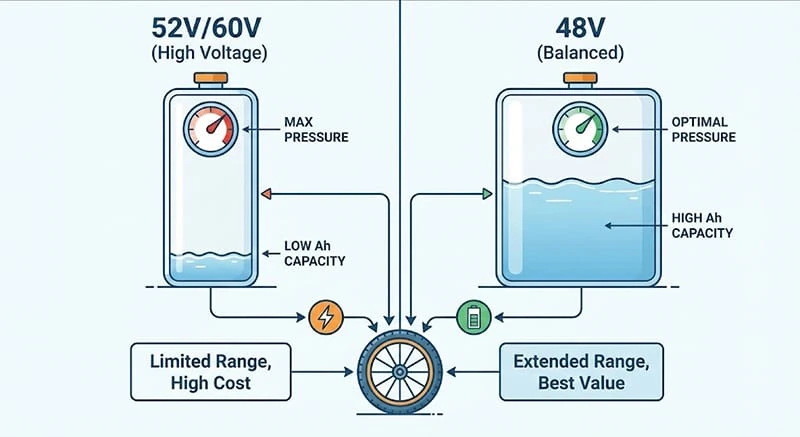
To make the right decision, you need to understand two key metrics: Voltage (V) and Amp Hours (Ah). Think of electricity flowing through your e-bike like water flowing through a pipe.
- Voltage (V) = Water Pressure: This determines how fast the water flows. Higher voltage essentially allows for higher top speeds.
- Amp Hours (Ah) = Tank Size: This determines how much water you have. Higher Ah means you can ride for longer distances.
This is the only true measure of total energy on board. A 48V 30Ah battery (1440Wh) has significantly more energy than a 52V 13Ah battery (676Wh).
(For a deeper dive into battery chemistry, check out Battery University's Guide to Li-ion).
Comparing the Contenders: 48V vs 52V vs 60V
1. The 48V System (The Industry Gold Standard)
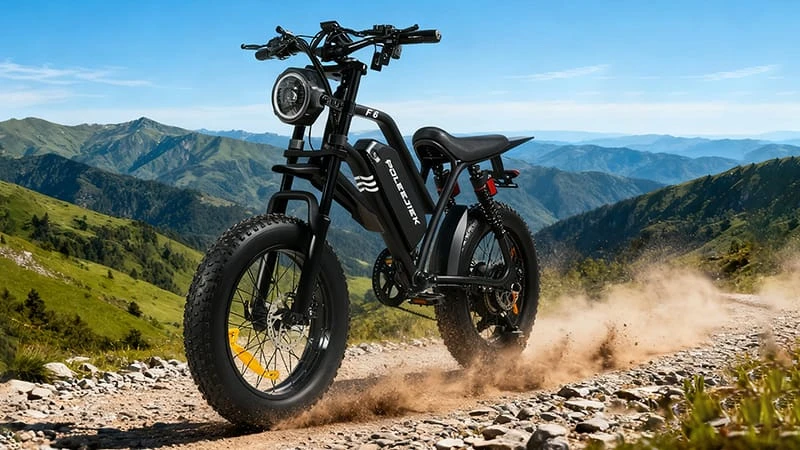
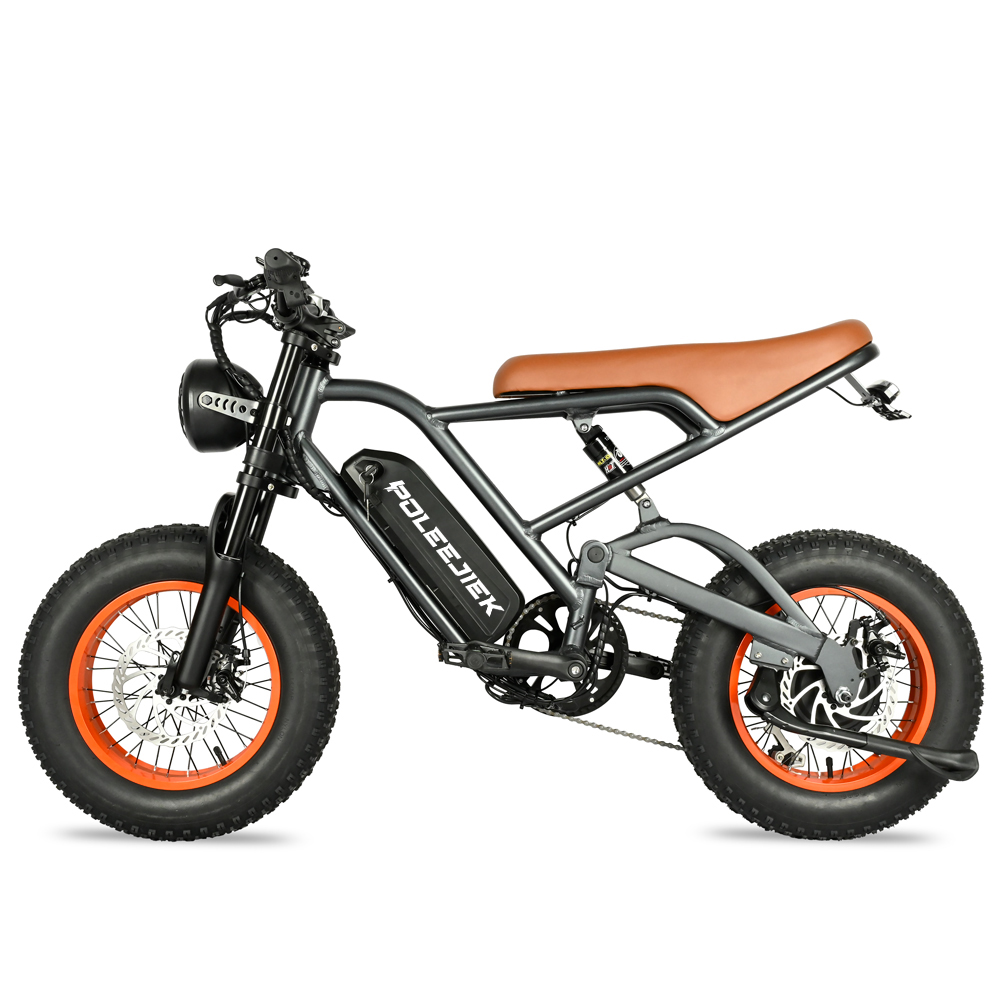
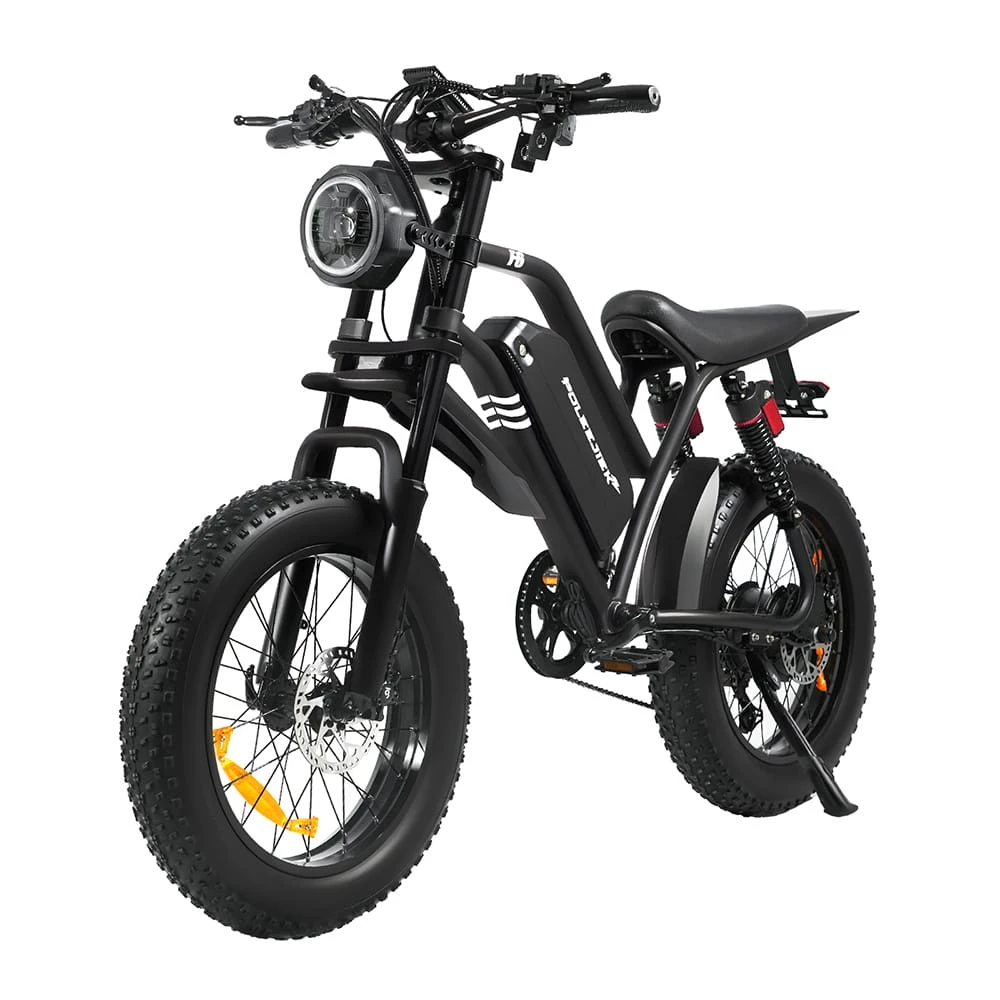
Used by major brands including Poleejiek (on models like the popular F6 Electric Dirt Bike), 48V remains the dominant standard for a reason. When paired with a high-current controller, a 48V system can easily propel a bike to 30mph+, which is the practical (and often legal) limit for most riders.
- Pros: Universal parts availability, proven safety record, cost-effective, and highly reliable.
- Cons: Slightly lower top speed compared to 60V motorcycles.
2. The 52V System (The "Modder" Choice)
52V is often marketed as a "performance upgrade." While it does offer a slight speed boost (typically 2-3 mph), it sits in an awkward middle ground.
- The Reality: Many "52V compatible" parts are just 48V parts being pushed to their limit. This increases the risk of overheating electronics. Furthermore, finding a replacement 52V charger or controller at a local shop is nearly impossible compared to the ubiquitous 48V components.
3. The 60V/72V System (The Electric Motorcycle)
Once you step up to 60V, you are leaving the bicycle category and entering electric motorcycle territory.
- The Reality: These bikes are heavy, expensive, and in many states, require registration. To keep weight down, manufacturers often use small capacity batteries, resulting in poor range. See our comparison of Gas vs. Electric Dirt Bikes to understand where these high-voltage beasts fit in.
| System Voltage | Top Speed Potential | Range Efficiency | Maintenance Cost | Poleejiek Verdict |
|---|---|---|---|---|
| 48V (Poleejiek) | ⭐⭐⭐⭐ (High) | ⭐⭐⭐⭐⭐ (Best) | $ (Low) | Recommended |
| 52V | ⭐⭐⭐⭐ (High) | ⭐⭐⭐ (Avg) | $$ (Medium) | Niche Use |
| 60V | ⭐⭐⭐⭐⭐ (Extreme) | ⭐⭐ (Low) | $$$ (High) | Overkill |
Why Capacity (Ah) Matters More Than Voltage
This is where the "Ah vs V" debate is settled. Let's look at a real-world scenario comparing a competitor's high-voltage bike against the Poleejiek BLJ-2625.
-
Competitor Bike A: 52V Battery with only 13Ah.
Result: You might hit 32mph, but your battery dies after 20 miles of aggressive riding. -
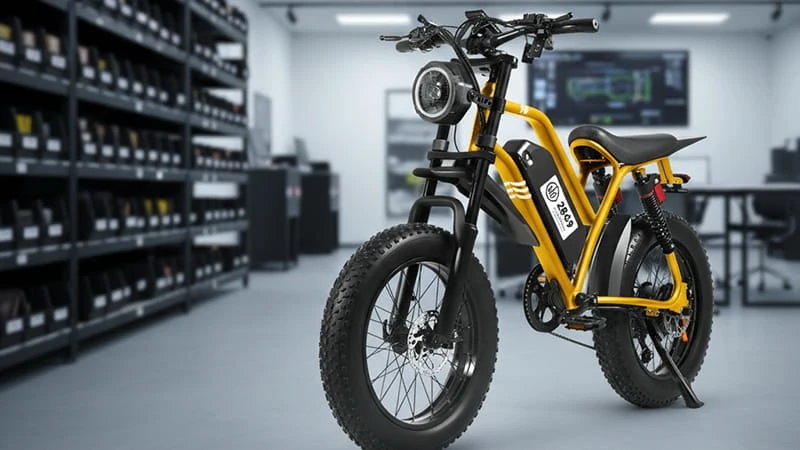
Poleejiek BLJ-2625: 48V System with 30Ah Capacity (Dual Battery).
Result: You cruise comfortably at 28-30mph, but you can keep going for 60+ miles. Check out the full specs of the BLJ-2625 High-Range E-Bike here.
We believe the modern rider values freedom over a marginal speed increase. That is why the Poleejiek F6 comes standard with a 20Ah battery—offering 60% more juice than the industry average. This extra capacity is especially crucial if you are riding fat tire e-bikes on sand or snow, where motor drag is higher.
Expert Advice: Who Should Choose 48V?
If you are looking for stability and ease of repair, 48V is the answer. This is particularly true for commercial operators. As detailed in our guide on Starting an Electric Dirt Bike Rental Business, keeping maintenance costs low with standardized 48V parts is the secret to profitability.
Frequently Asked Questions
A: Absolutely. Hill climbing is determined more by the motor's wattage and torque (Amps) rather than just voltage. A 48V system running at high amps (like Poleejiek's 1500W peak setup) will crush hills better than a low-amp 52V system.
A: Generally, we don't recommend it. While some controllers can handle the over-voltage, you lose the accuracy of your battery meter and risk voiding your warranty. It is smarter to invest in a spare 48V battery to double your range instead.
A: For B2B operators, reliability is key. 48V components are standardized and cheaper to replace. As discussed in our Rental Business Guide, lower maintenance costs equal higher profit margins.
Conclusion: The Smart Choice for 2026
Don't be swayed by the hype of higher voltage numbers. Unless you are building a dedicated racing motorcycle, a High-Amp 48V system offers the best combination of speed, safety, and longevity.
At Poleejiek, we prioritize what actually improves your ride: Massive Battery Capacity. Whether you choose the agile F6 Dirt Bike or the long-range BLJ-2625, you are getting a system optimized for real-world adventures, not just spec-sheet bragging rights.
Shop High-Capacity 48V E-Bikes