Folding E-Bike & PAS Technology: 2025 Engineering Guide
In the rapidly evolving micro-mobility sector, electric bikes have transcended being mere recreational toys to become essential logistical tools. For B2B buyers, the choice often comes down to two critical technologies: the mechanical integrity of folding frames and the responsiveness of Pedal Assist Systems (PAS).
At POLEEJIEK, we engineer solutions for the "last-mile" problem. This guide explores the mechanics behind our flagship Folding Electric Bikes and advanced drive systems.
1. Engineering the Perfect Fold: Solving "Frame Flex"
The challenge in designing a professional folding e-bike is maintaining frame rigidity while allowing for portability. A generic folding bike often suffers from "frame flex" (wobbling at high speeds), which is a safety hazard and a warranty nightmare for importers.
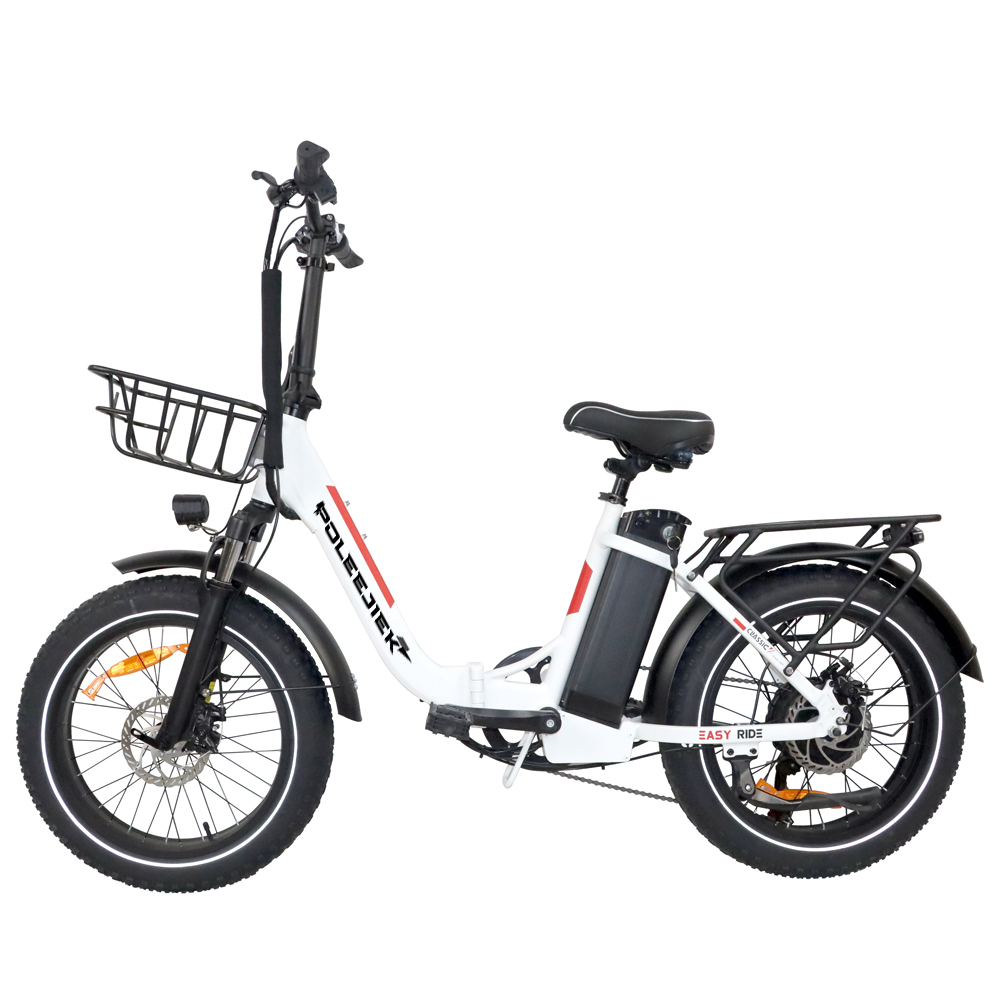
We utilize a proprietary Double-Locking Mechanism forged from aviation-grade 6061 Aluminum Alloy.
- Safety: Two distinct actions are required to unlatch, preventing accidental unfolding during transit.
- Rigidity: Verified to withstand 100,000 vibration cycles (EN 15194 standard), ensuring the bike feels as solid as a rigid frame.
A standard e-bike occupies approx. 1.8m² of floor space. A POLEEJIEK folding model (like the BLJ-2031) collapses to just 0.3m². This allows B2B fleet operators to store 5x more units in the same warehouse footprint.
2. Pedal Assist Technology (PAS): Cadence vs. Torque
Not all "Pedal Assist" is created equal. Understanding the sensor technology is crucial for B2B procurement strategies, as it affects both unit cost and ride quality.
| Feature | Cadence Sensor (Entry Level) | Torque Sensor (Premium) |
|---|---|---|
| How it Works | Detects IF you are pedaling. Acts like an on/off switch. | Detects HOW HARD you are pedaling (strain gauge). |
| Ride Feel | Constant power boost (Cruise Control feel). | Dynamic power matching (Bionic/Natural feel). |
| Battery Efficiency | Lower (often provides more power than needed). | Higher (adjusts output 1,000x/second). |
| Best For | Delivery Fleets (Low maintenance, lower cost). | Premium Commuters (Better experience). |
- EU Market: Pedal Assist (EPAC) must cut off at 25km/h (EN 15194). No throttle allowed.
- US Market: Class 1 & 2 bikes can assist up to 20mph. Throttle is permitted (Class 2).
3. Fleet Selection: Compact vs. Full-Size?
Choosing the right form factor depends on your end-user's environment.
| Feature | Folding E-Bike (BLJ-2031) | Full-Size E-Bike (City Cruiser) |
|---|---|---|
| Portability | High (Fits in trunks/under desks) | Low (Requires bike rack/garage) |
| Wheel Size | 14" - 20" (Agile, High Torque) | 26" - 700c (Smooth, Efficient) |
| Theft Risk | Low (Can be brought indoors) | Medium (Locked outside) |
| Ideal Use Case | Multi-modal commuting (Train + Bike) | Long-distance direct commuting |
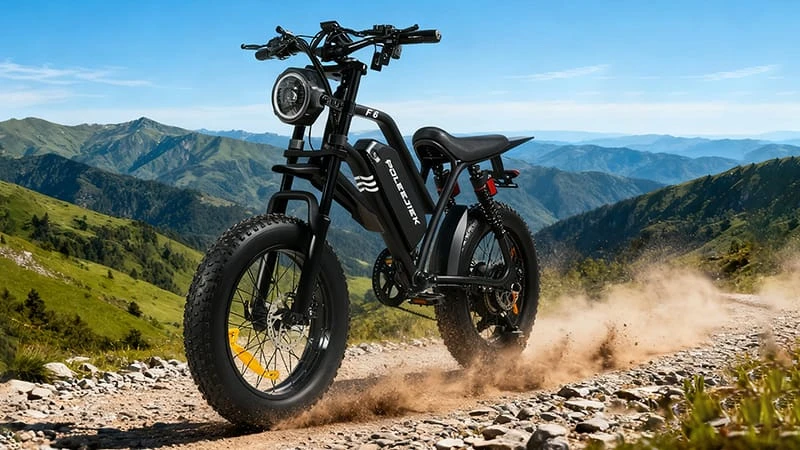
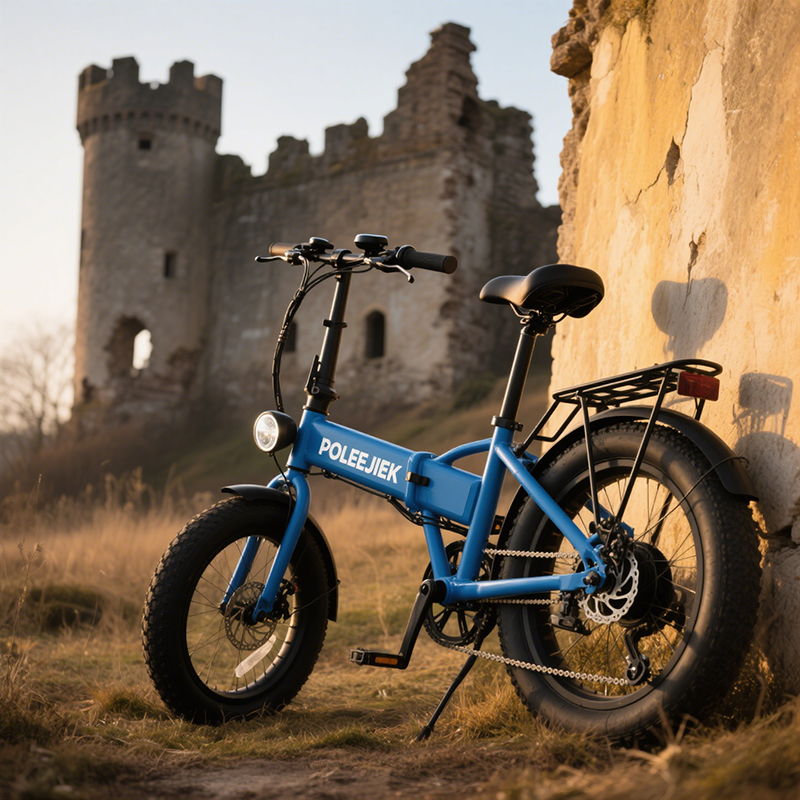 POLEEJIEK 20" Folding E-Bike: Engineered with 6061 Aluminum Alloy hinges.
When evaluating folding e-bikes, ask your factory these questions:
- Hinge Durability: Has the folding mechanism passed the 100,000 cycle fatigue test?
- Cable Routing: Are cables internally routed through the fold to prevent pinching/damage?
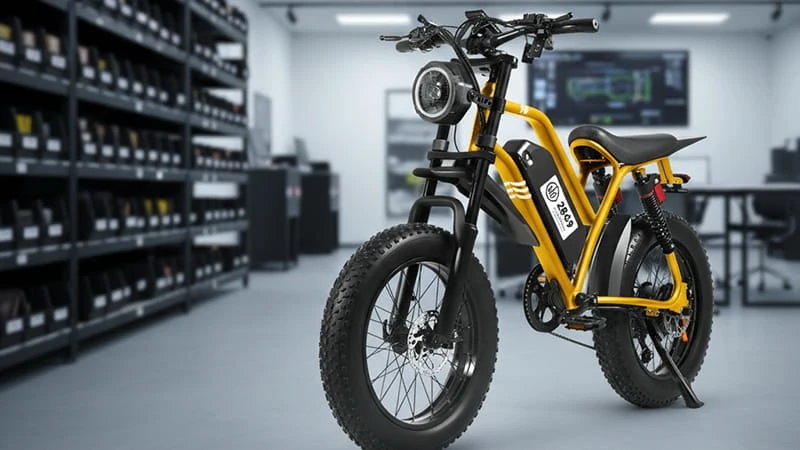
- Battery Certification: Are the cells UL 2849 compliant to prevent fire risks?
Why Source from POLEEJIEK? (OEM/ODM)
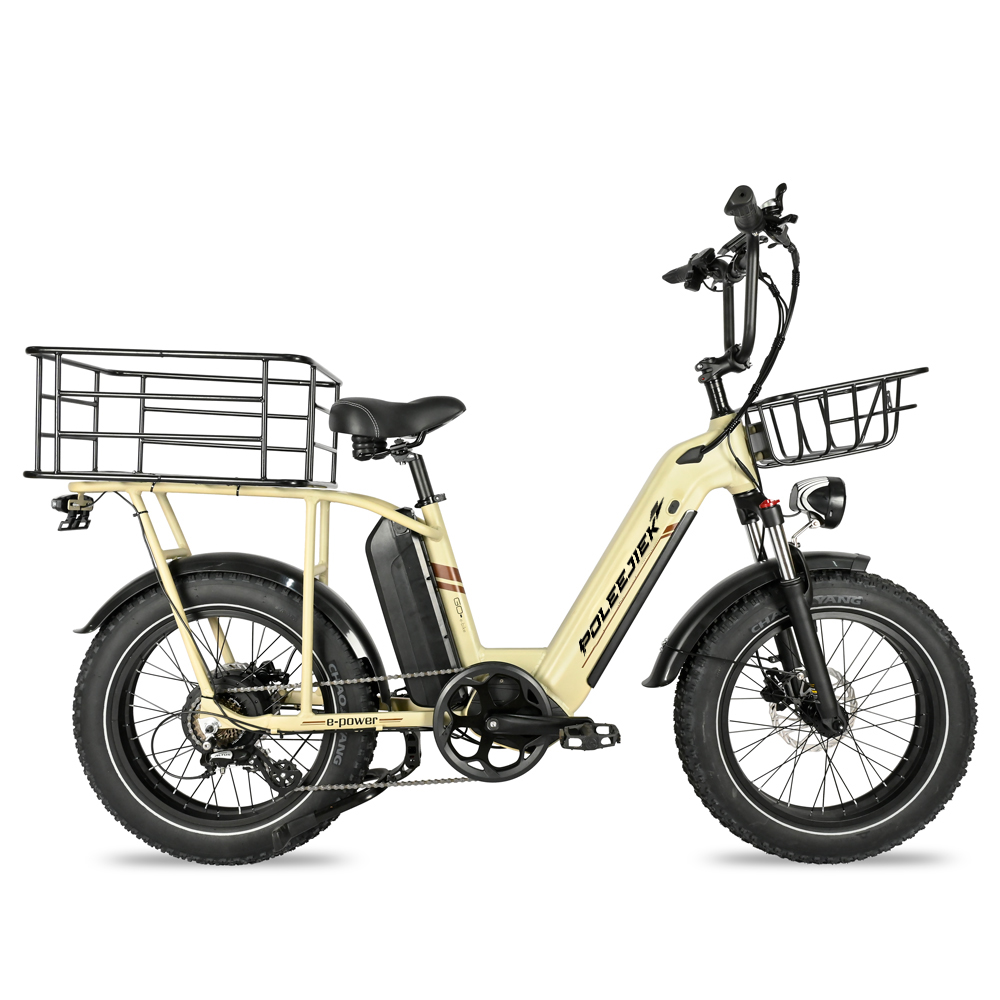
We don't just assemble parts; we validate them. From compact PAS systems to heavy-duty cargo folders, our engineering focus ensures low warranty rates.
- Fire Safety: We use Samsung/LG cells compliant with UL standards.
- Customization: We tailor speed limits, branding, and colorways for your local market regulations.
Ready to Engineer Your 2026 Fleet?
Get the full technical spec sheet and wholesale pricing for our Folding & PAS Series.
Request OEM Catalog & QuoteFrequently Asked Questions (FAQ)
Do folding e-bikes break easily?
Cheap folding bikes can suffer from hinge failure. However, high-quality OEM models (like POLEEJIEK's) use double-locking aviation alloy hinges tested for 100,000 vibration cycles, offering durability comparable to rigid frames.
Which is better: Torque sensor or Cadence sensor?
For delivery fleets, Cadence sensors are better due to lower cost and simpler maintenance. For premium consumer brands, Torque sensors are preferred as they offer a smoother, more natural riding experience.