2025 E-Bike Accessories Guide: Safety Standards & Compliance
By the POLEEJIEK Product Development Team
An electric bike is a high-performance vehicle that requires specialized gear to ensure safety and longevity. In 2025, with e-bike speeds often exceeding traditional cycling limits, adherence to international testing standards is no longer optional—it is a critical requirement for both riders and B2B distributors. This guide details the essential accessories backed by CPSC, EN, and ISO engineering benchmarks.
| Accessory | Primary Function | Technical Standard / Benchmark |
|---|---|---|
| Helmet | Head Trauma Prevention | CPSC 1203 (US) / NTA 8776 (Speed Pedelec) |
| Lighting | Visual Signaling | Min 500 Lumens / StVZO (Anti-Glare) |
| Luggage Rack | Cargo Capacity | ISO 11243:2016 (25kg+ Rating) |
| Fenders | Debris Protection | Polycarbonate / ALU Core Strength |
1. Certified Helmets: Beyond the Standard Bicycle Rating
As e-bikes travel at higher average speeds, standard bicycle helmets may offer insufficient protection during high-velocity impacts. For riders of Class 3 e-bikes (28mph), we recommend looking beyond basic CPSC or EN 1078 stickers.
- NTA 8776 Standard: This is the world's first certification specifically for speed pedelecs. It covers higher impact speeds and provides more coverage for the temporal and occipital areas of the head.
- MIPS Technology: Multi-directional Impact Protection System (MIPS) is a critical feature that reduces rotational motion transferred to the brain during angled impacts.
2. High-Visibility Lighting: Lumens vs. Lux
For urban safety, brightness alone isn't enough; the beam pattern is equally important. In 2025, "be seen" lights are being replaced by "see and safe" systems.
- StVZO Compliance: German StVZO regulations are the industry gold standard for urban e-bikes. These lights feature a horizontal cutoff that prevents blinding oncoming drivers, similar to automotive low-beam headlights.
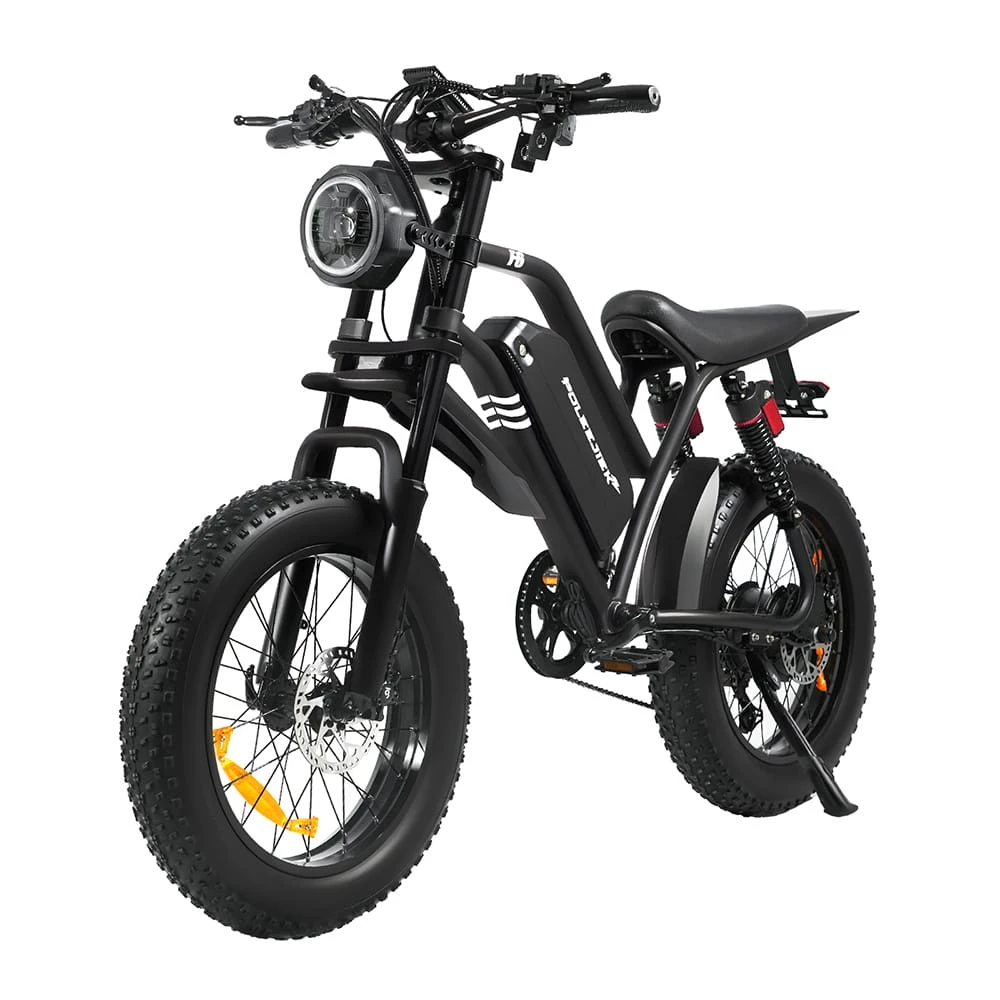
- Energy Source: Our moyoebikes models integrate lighting directly into the 48V/52V system, ensuring consistent 500+ lumen output without separate battery maintenance.
3. Luggage Racks & ISO 11243 Compliance
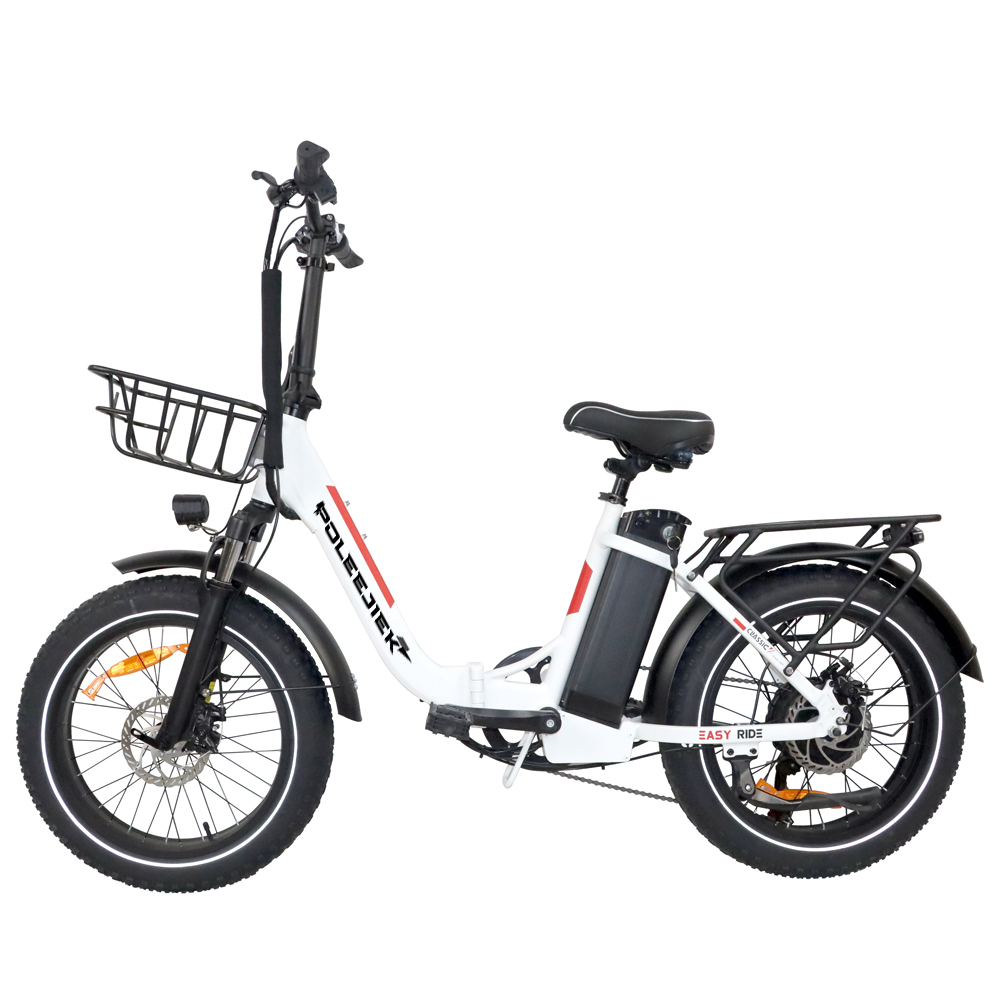
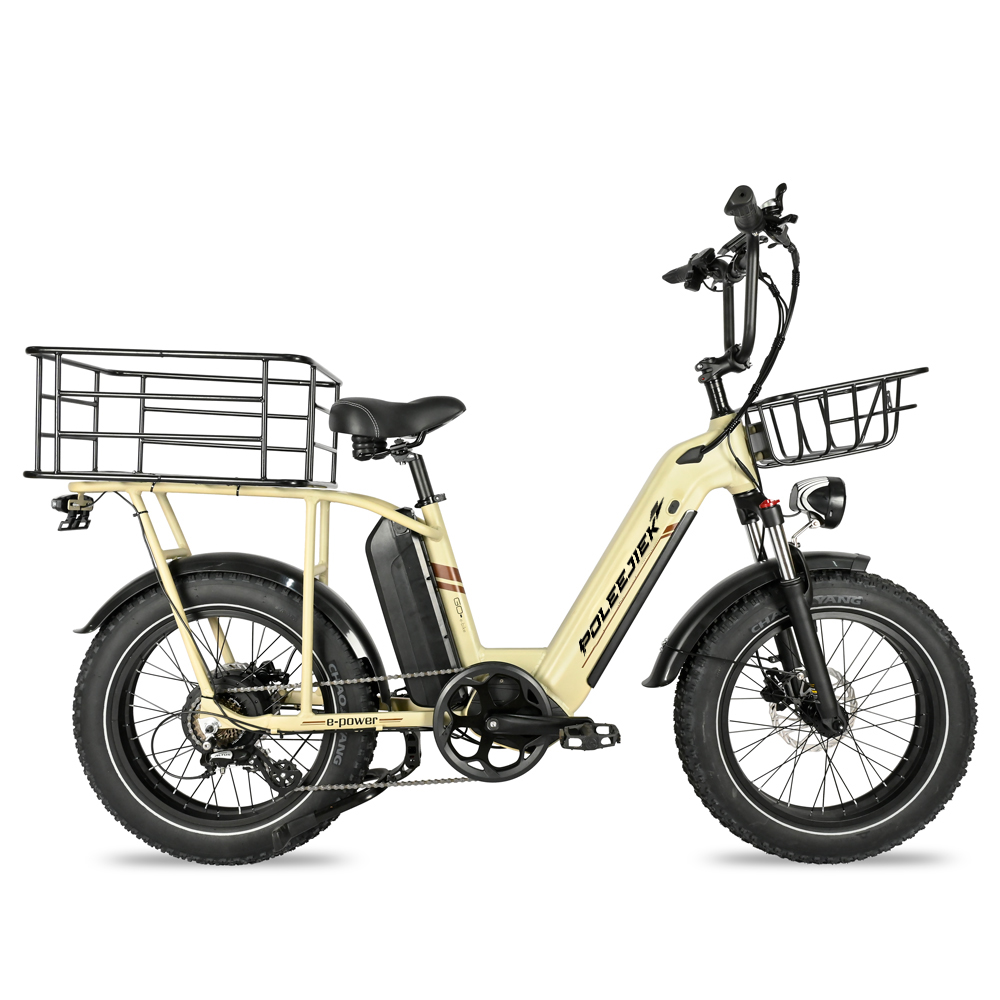
A rack is a structural component of the bike's frame integrity. For B2B distributors, using racks that haven't been stress-tested for e-bike torque can lead to structural failure.
- ISO 11243:2016: This standard specifies safety requirements and test methods for luggage carriers. A commercial-grade rack must handle at least 25 kg (55 lbs) to safely support child seats or heavy delivery panniers.
- MIK / Racktime Systems: These integrated mounting interfaces allow for proprietary "click-and-go" accessory swapping, reducing dealer labor costs.
4. Regional Regulatory Variations (US vs. EU)
Compliance depends on your target market's specific 2025 statutes:
- United States: Accessories are generally regulated by CPSC. Reflectors are mandatory on pedals and wheels under 16 CFR Part 1512.
- European Union: Strictly adheres to EN 15194. Lighting must often meet specific E-mark or national marks (like K-mark in Germany).
Conclusion: Engineering a Compliant Fleet
At POLEEJIEK, we emphasize that accessories are an extension of the vehicle's engineering. By specifying ISO and NTA certified gear, distributors mitigate legal risks and enhance rider safety.
We offer OEM e-bike solutions that come pre-equipped with high-quality, certified accessories from our trusted supply chain. Contact our engineering team to customize a market-ready package for your 2025 inventory.