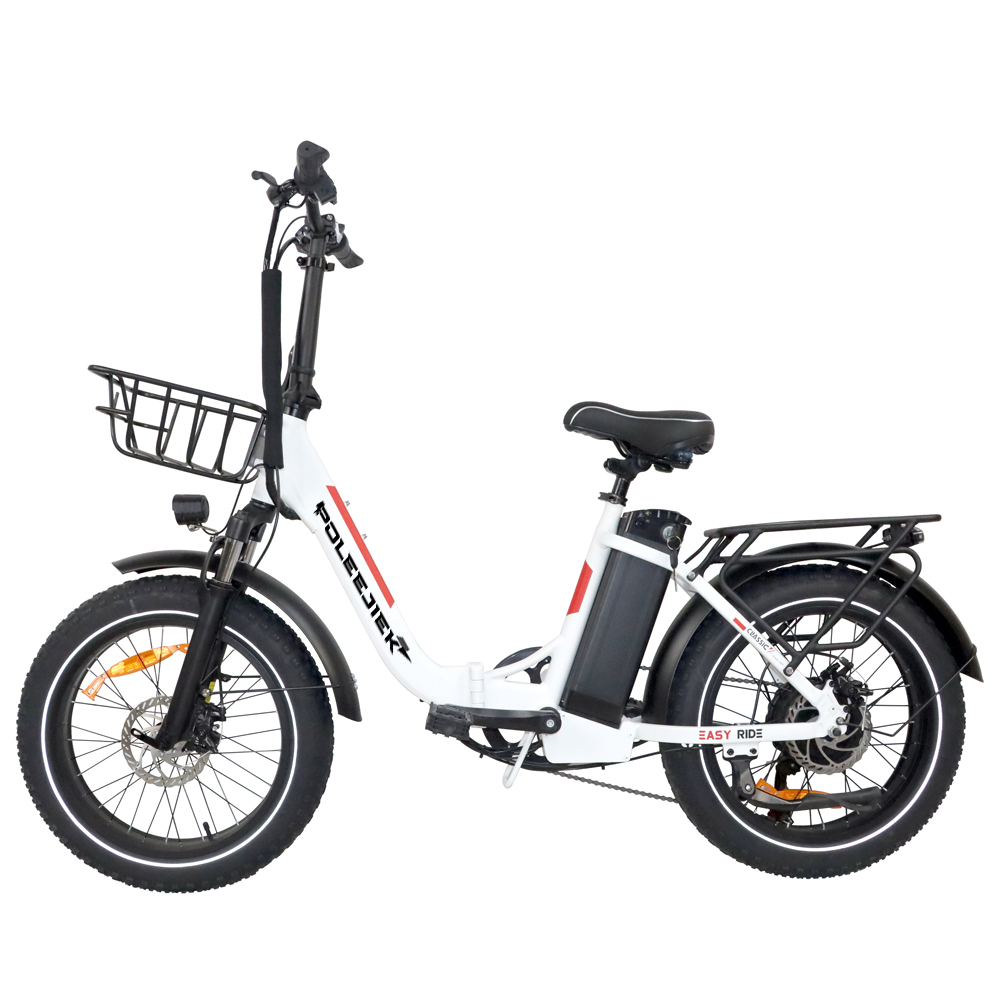
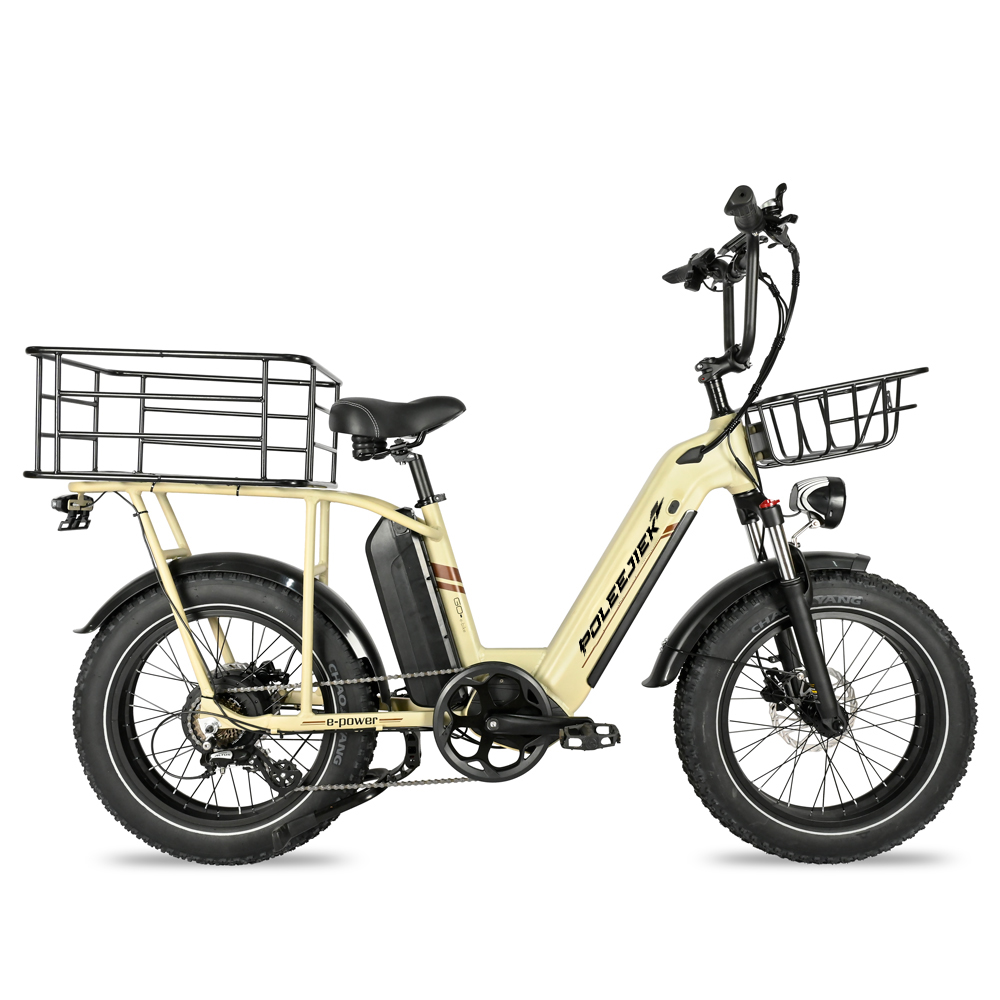
Are Fat Tire Electric Bikes Worth It? Pros, Cons & 2026 Buyer's Guide
Summary
Are fat tire electric bikes worth it? Yes, especially in 2026. They offer unmatched stability, comfort (acting as natural suspension), and the ability to ride on sand, snow, and mud where standard bikes fail. While they are heavier and have higher rolling resistance, modern solutions like Poleejiek's high-wattage motors (1500W+) and high-capacity batteries completely offset these downsides, giving you all-terrain freedom without the fatigue.
Walk down any street or hit any trail in 2026, and you will notice a dominant trend: electric bikes with massive, wide tires. They look aggressive, capable, and distinctive. But are they just a fashion statement?
Many beginners ask us: "Will those big tires drag me down?" or "Can they actually handle soft sand and deep snow?"
Today, we act as your consultants. We will peel back the marketing hype to reveal the physics-based pros and cons of fat tire e-bikes, helping you decide if this is the right tool for your lifestyle.
1. What Exactly is a Fat Tire Electric Bike?
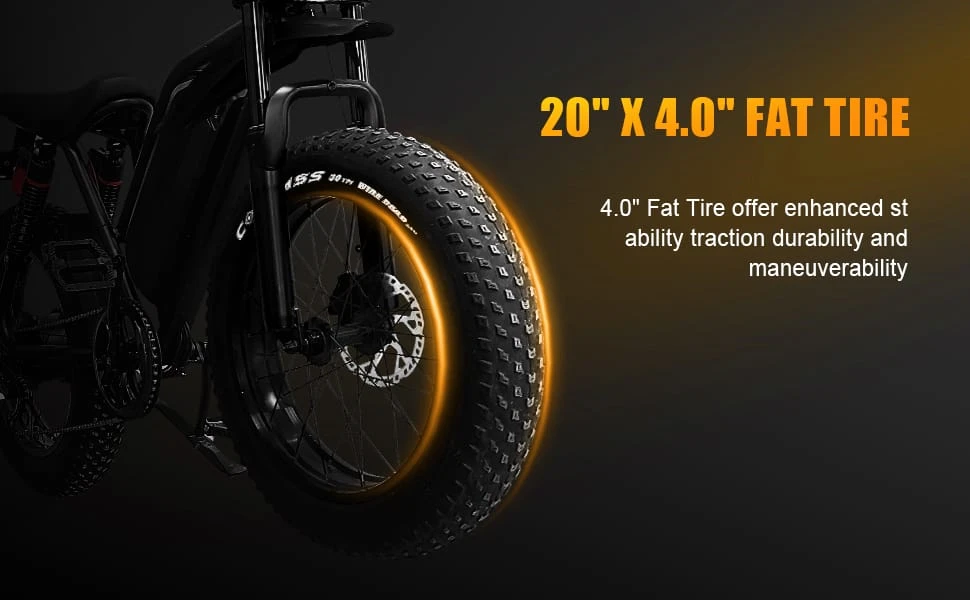
By definition, a "Fat Tire" bike features tires that are 4.0 inches wide or wider. For comparison, a standard mountain bike tire is usually between 2.0 to 2.5 inches, and a road bike tire is a mere 1 inch.
Think of it as the difference between hiking boots and snowshoes. The extra width provides a massive contact patch with the ground, distributing weight and allowing the bike to "float" over loose terrain. According to REI's guide on fat bikes, this floatation is the primary mechanical advantage that allows traversal over soft surfaces.
2. The Pros: Why You Should Buy One
There is a reason why these bikes have taken over the market. Here are the three undisputed advantages:
Pro #1: Unstoppable Traction
The primary benefit is grip. Because the tire is so wide, it grabs onto more of the ground. This allows you to ride confidently on loose surfaces like beach sand, fresh snow, and wet mud—places where a skinny tire would sink or slip immediately.
Pro #2: Natural Suspension
Fat tires are high-volume, low-pressure. You can run them at much lower pressures (around 20 PSI) compared to standard tires (40-60 PSI). This means the tire itself deforms over bumps, rocks, and roots, absorbing the shock before it reaches your spine.
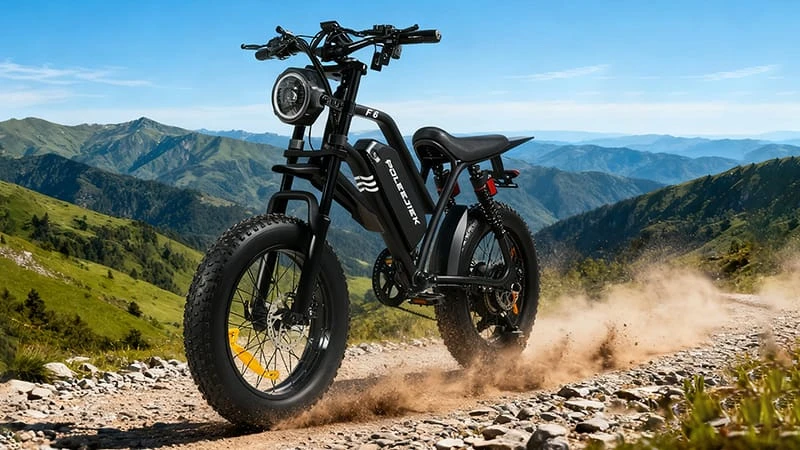
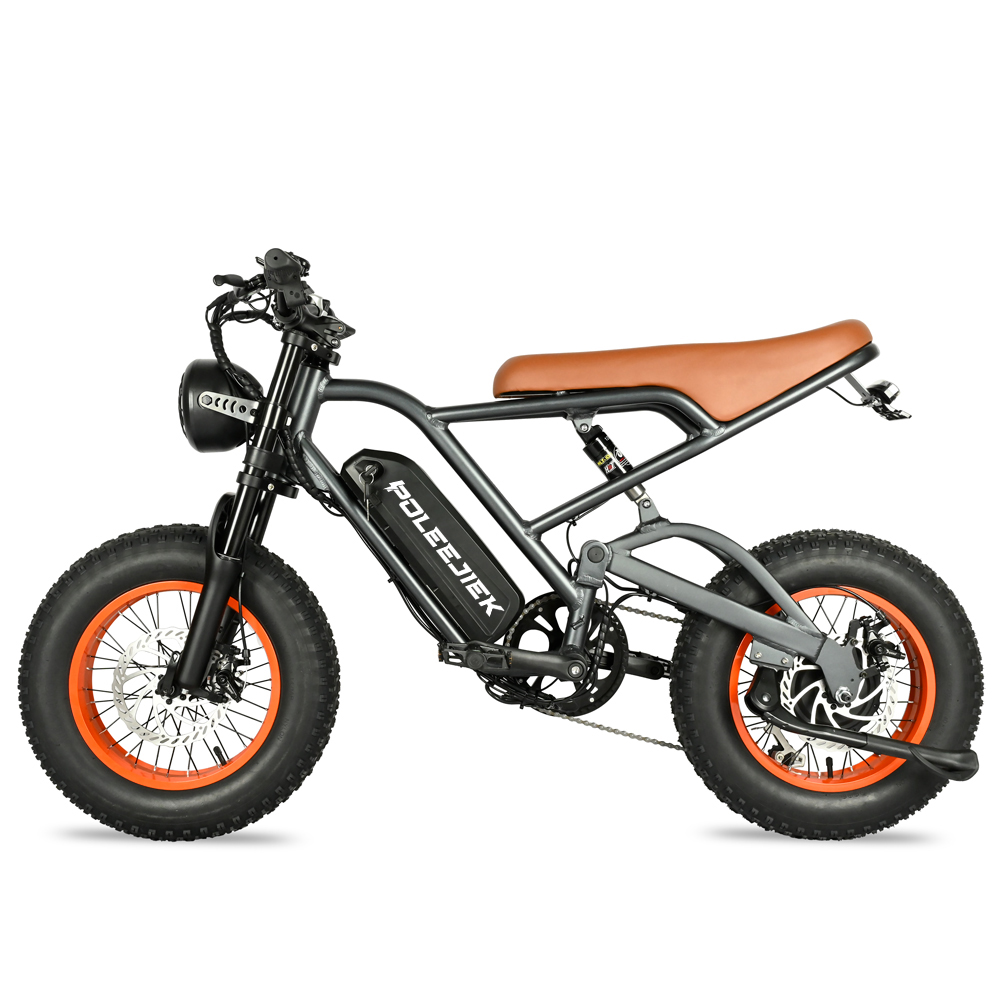
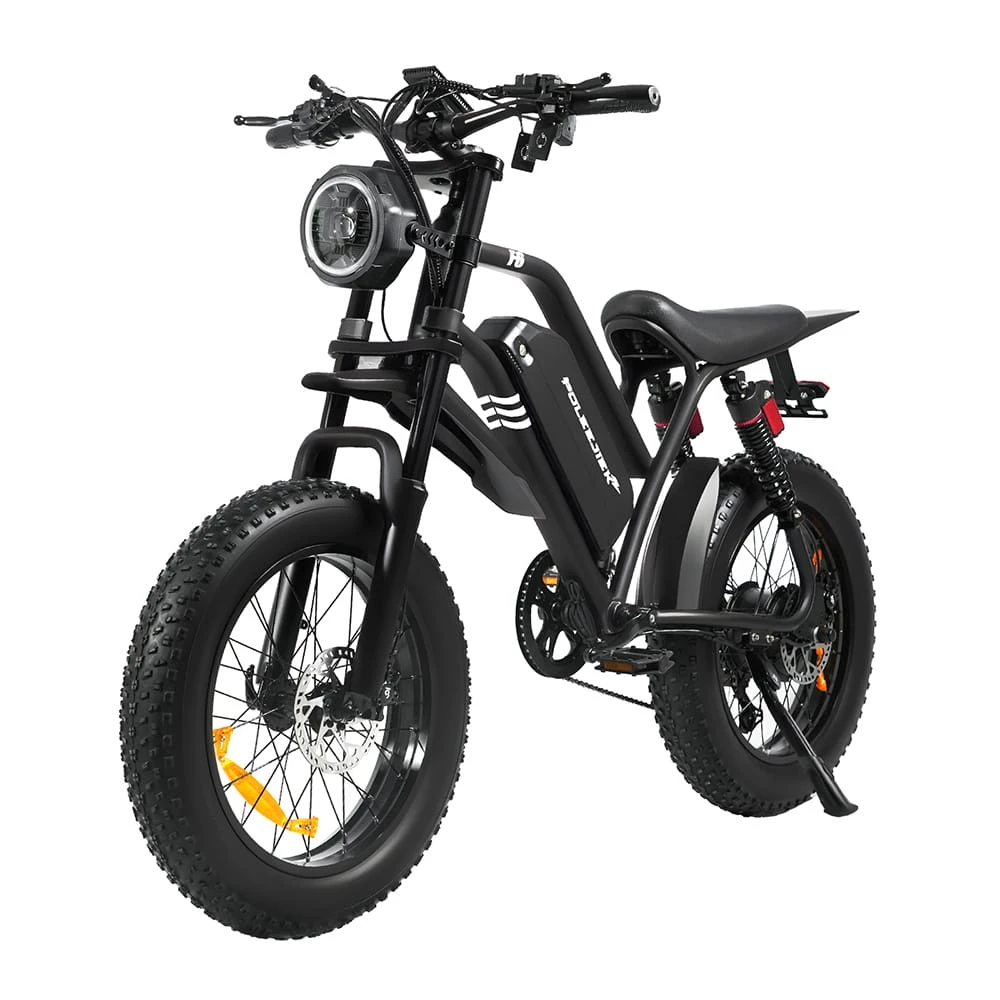
When you combine this "air cushion" effect with a bike like the Poleejiek F6 Electric Dirt Bike, which also features a full suspension system, the result is a ride quality that feels like floating on a cloud.
Pro #3: Beginner Stability
For riders who haven't been on a bike in years, or those who struggle with balance, fat tires are a game-changer. The wider footprint lowers the center of gravity and provides a planted, stable feeling that inspires confidence immediately.
3. The Cons: What You Need to Know (And How We Solved It)
To be transparent, fat tires do have physical drawbacks. However, at Poleejiek, we engineer our bikes to eliminate these specific issues.
Con #1: Heavy & High Rolling Resistance
The Problem: More rubber on the road means more friction. In physics terms, this is called rolling resistance. On a manual bike, or a weak 250W e-bike, fat tires can feel sluggish and hard to pedal once the battery dies.
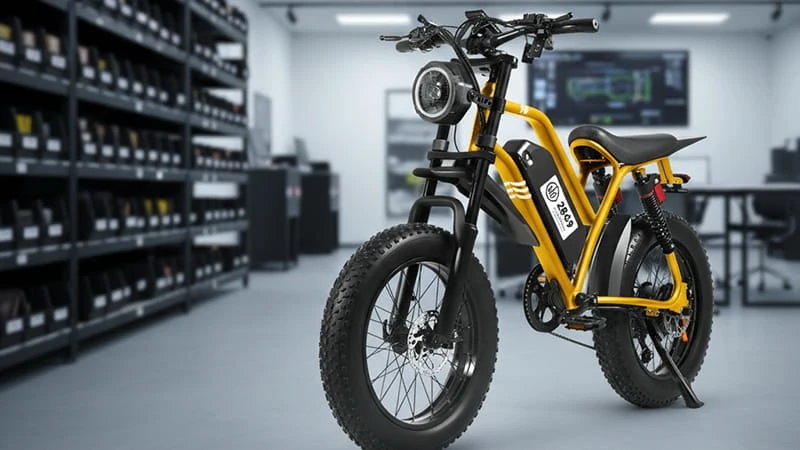
The Poleejiek Solution: This is why we do not sell underpowered fat tire bikes. Resistance is only a problem if you lack power. Our models, like the F6, are equipped with 1500W motors, and the BLJ-2625 utilizes a Dual Motor system. This massive torque output completely neutralizes the tire drag. You don't feel the weight; you only feel the "push-back" acceleration.
Con #2: Hard to Transport
The Problem: These bikes are wider than standard bicycles, meaning they often won't fit into standard bus racks or cheap car carriers.
The Fix: If you plan to travel with your bike, ensure you invest in a "Fat Tire Compatible" rack. Alternatively, looking for something smaller? Check out our Electric Pit Bike Guide for more compact options.
4. Top Recommendations: Which Fat Tire E-Bike is For You?
Now that you know the physics, here are the best tools for the job based on your specific riding needs.
The Off-Road King: F6 Peak 1500W
Best For: Adrenaline seekers, mountain trails, and rough terrain.
This is not just a bike; it's an electric dirt bike. With a 1500W motor and aggressive 20x4.0 knobby tires, it treats rocky inclines like flat pavement. The full suspension ensures that while the tires grip the dirt, your body stays comfortable.
View F6 DetailsThe Distance Master: BLJ-2625 (Dual Motor)
Best For: Beach cruising, snow riding, and heavy-duty delivery.
The BLJ-2625 solves the traction issue completely with AWD (All Wheel Drive). With a motor in the front and back hub, plus a massive 30Ah battery, it powers through deep sand without getting stuck. It is the ultimate utility fat tire machine.
View BLJ-2625 Details5. Maintenance Tips for Fat Tires
Owning a fat bike requires slightly different care to maximize battery range and comfort:
-
Master your PSI:
- Pavement: 20-25 PSI. This reduces drag and extends battery range.
- Sand/Snow: 8-15 PSI. This maximizes the "float" effect but uses more battery. Always refer to the sidewall of your specific tire for safety limits.
- Use Sealant: Because the surface area is large, you are more likely to roll over a thorn. We recommend injecting a tire sealant into your tubes to self-repair small punctures instantly.
Conclusion
Fat tire electric bikes are not just a trend—they are the key to unlocking terrain that was previously impossible to ride. They offer freedom, safety, and comfort.
While they are naturally heavier, the industry has evolved. By choosing a high-power model like those from Poleejiek, you get all the benefits of the fat tire without the sluggish performance. Don't let the terrain decide where you stop.
Ready to ride anywhere? Check out Poleejiek's 2026 Fat Tire Collection today.
Frequently Asked Questions
A: Yes, physically they have more rolling resistance due to the wider contact patch. However, on a high-performance Poleejiek eBike, the 1000W+ motor completely negates this drag, making the ride feel effortless.
A: Absolutely. Lowering the tire pressure to 8-15 PSI increases the surface area, allowing the bike to 'float' over snow rather than sinking into it. This is a key advantage over standard tires.
A: Yes, due to higher friction and weight. That is why Poleejiek equips our fat tire models with larger capacity batteries (up to 30Ah) to ensure you still get excellent range despite the physics.
A: For fat tires, you need high torque to overcome the rolling resistance. A minimum of 750W is recommended, but for true off-road capability, a 1500W motor or a Dual Motor setup (like the Poleejiek BLJ-2625) is ideal.