Are Folding E-Bikes Worth It in 2026? Ultimate Buying Guide
Quick Verdict: The 2026 Outlook
The ROI: Switching from a car to a folding e-bike can save over $3,500 annually in urban environments.
Best For: Apartment dwellers, multi-modal commuters (train+bike), and office workers with limited storage.
Key Spec to Watch: Look for 48V systems for better hill climbing and UL Certification for battery safety.
Folding e-bikes combine the convenience of a compact fold with the boost of an electric motor—ideal for urban riders, commuters, and anyone short on storage space. With urban mobility trends in 2026 shifting aggressively towards sustainable transport, the folding e-bike has evolved from a niche gadget to a critical tool. This guide explains the real-world benefits and trade-offs to help you decide if a Folding E-bike is the right investment for you.
Why Riders Are Switching in 2026
1. Ultimate Portability (The "Last Mile" Solution)
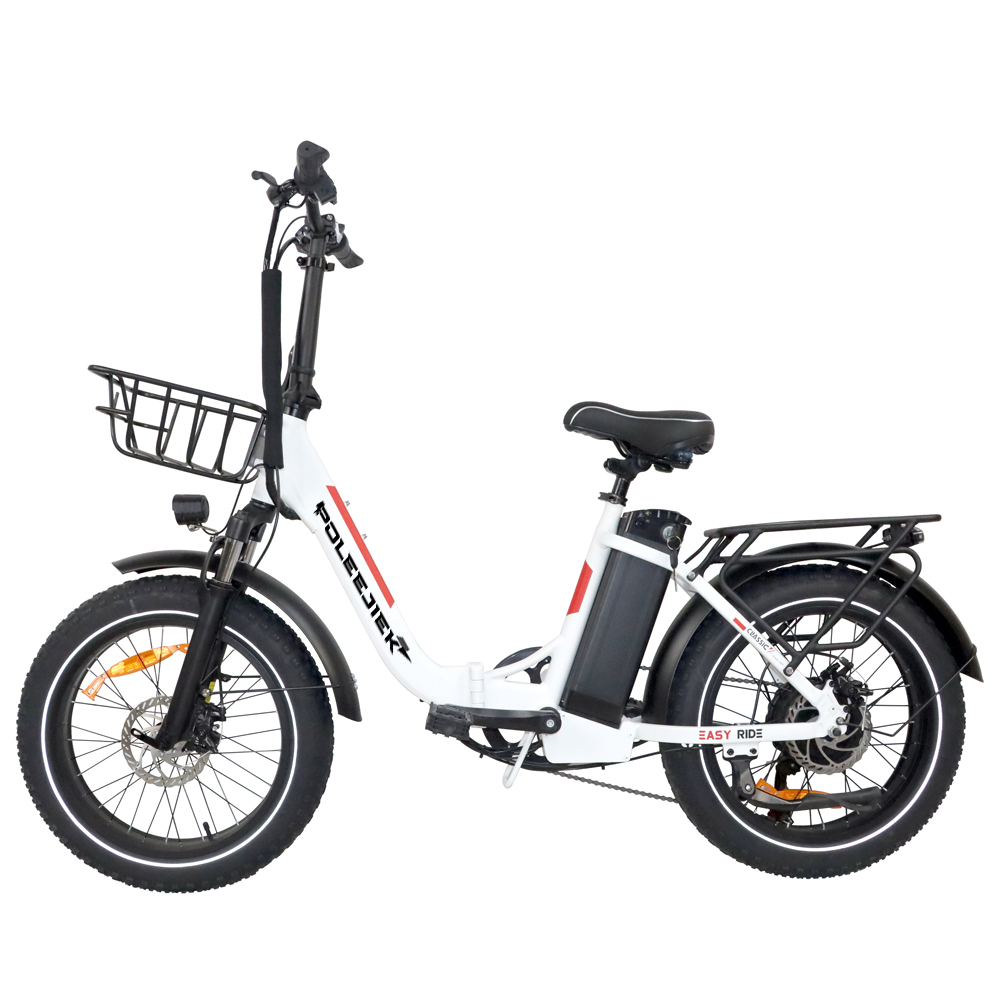
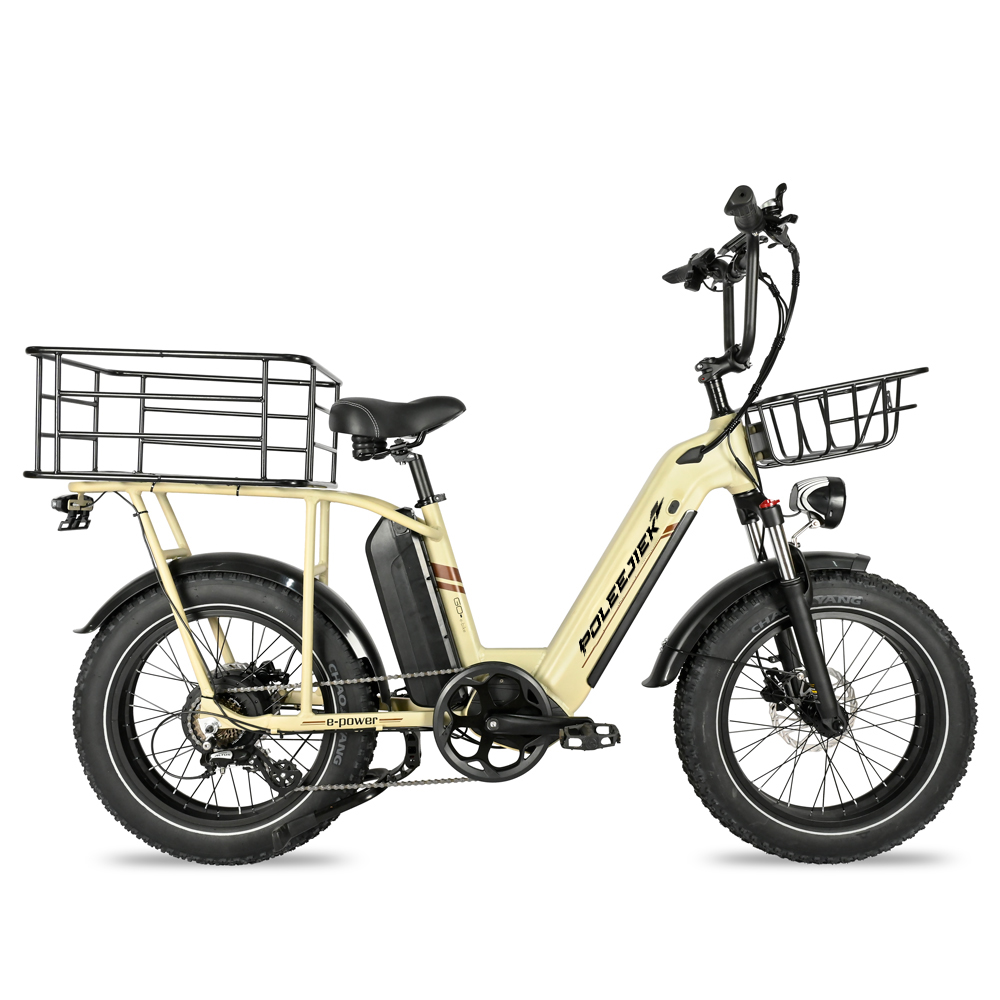
A Foldable Electric Bicycle is the master of tight spaces. It fits into elevators, car trunks, and under desks with ease. For multi-modal commuters, its ability to be carried onto a subway or train is a game-changer.
Real-World Impact: "My door-to-door commute dropped from 45 minutes to 25. The Poleejiek CityFold fits right under my office desk, saving me $250/month in parking fees."
- Sarah L., Urban Planner
2. Flatten Hills and Extend Range
Pedal-assist lets you ride farther with less fatigue. Whether you choose a hub motor or a high-torque mid-drive motor, you arrive at your destination feeling energized, not exhausted.
The Financial Case: E-Bike vs. Car
While the upfront cost is a factor, the long-term savings are substantial. We broke down the Total Cost of Ownership (TCO) for a typical year:
| Expense Category | Average Car (Annual) | Folding E-Bike (Annual) |
|---|---|---|
| Fuel / Electricity | ~$1,200 | ~$30 |
| Parking | ~$1,500 | $0 |
| Maintenance | ~$500 | ~$150 |
| Total Estimated Cost | ~$4,200 | ~$300 |
*For a deeper dive into fleet savings, see our Commercial Fleet TCO Guide.
Folding E-Bike Feature Snapshot
Not all folders are created equal. Use this table to match the specs to your needs.
| Use Case | Recommended Motor | Battery Capacity | Why It Fits |
|---|---|---|---|
| City Hops (5-10 km) | 350W-500W Hub | 480Wh (48V 10Ah) | Lightweight & affordable. |
| Mixed Commute (20 km+) | 750W Rear Hub | 720Wh (48V 15Ah) | Stronger hill assist. |
| All-Terrain / Hills | Mid-Drive Motor | 960Wh (48V 20Ah) | Max torque & range. |
What to Consider Before You Buy
- Check Legal Classification: In the US, most folding e-bikes are Class 1 or Class 2. If you need higher speeds, check our guide to fast electric bikes to understand the regulations.
- Folded Size & Weight: Ensure it fits your trunk. While heavier than standard bikes, the trade-off for electric power is worth it for most riders.
- Safety First: Look for hydraulic disc brakes and puncture-resistant tires.
Conclusion: A Worthwhile Investment
For urban dwellers and commuters, a folding e-bike is absolutely worth it. The blend of portability, pedal assistance, and low running costs makes it a powerful tool for modern city living.
About the POLEEJIEK Team
As designers and daily e-bike commuters, we combine engineering expertise with real-world city riding experience. Whether you need a commuter or an electric dirt bike for weekends, we build solutions for every rider.