Mountain E-Bikes for Riders 40+: Health, Tech & Safety (2025)
For many individuals in their 40s and beyond, the connection to nature remains a vital part of a healthy lifestyle. However, real-world physiological challenges—such as decreased cardiovascular peak, knee joint sensitivity, and longer recovery times—can deter even the most enthusiastic riders. A modern, mountain e-bike is engineered to mitigate these barriers, transforming technical trails into accessible pathways for active longevity.
Overcoming Incline Barriers: The Precision of Torque Sensors
The fear of "stalling" on a steep hill is a significant psychological barrier. In 2025, the solution lies in Intelligent Pedal Assist (PAS).
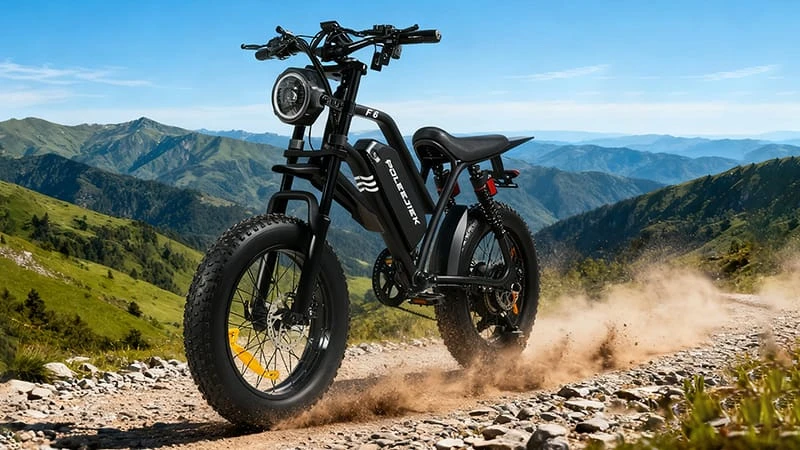
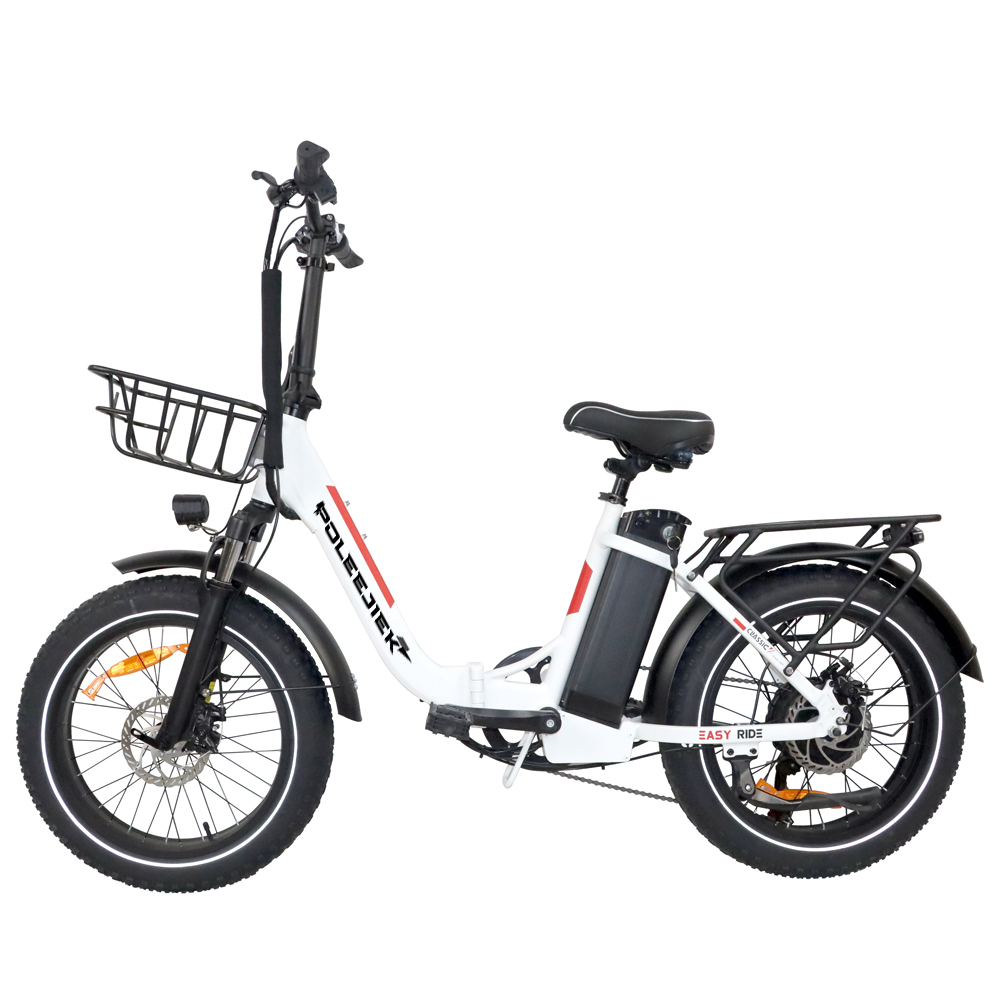
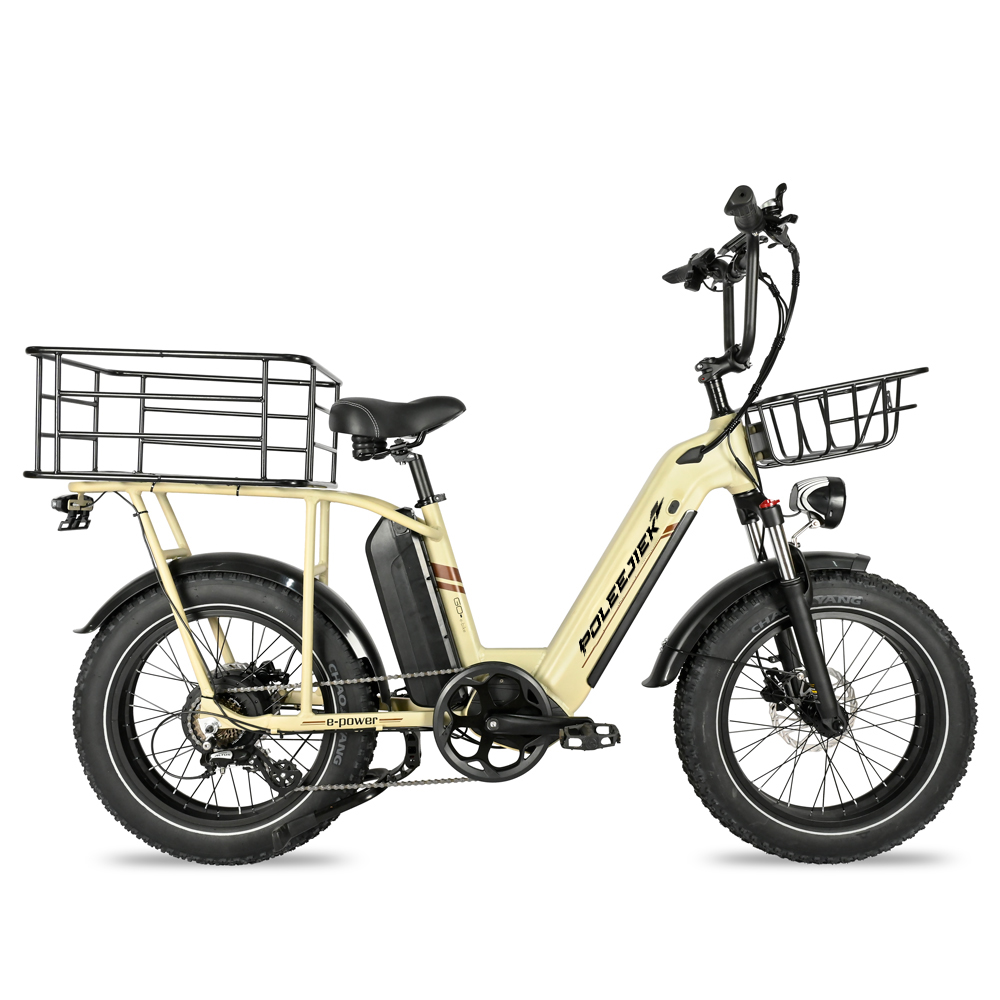
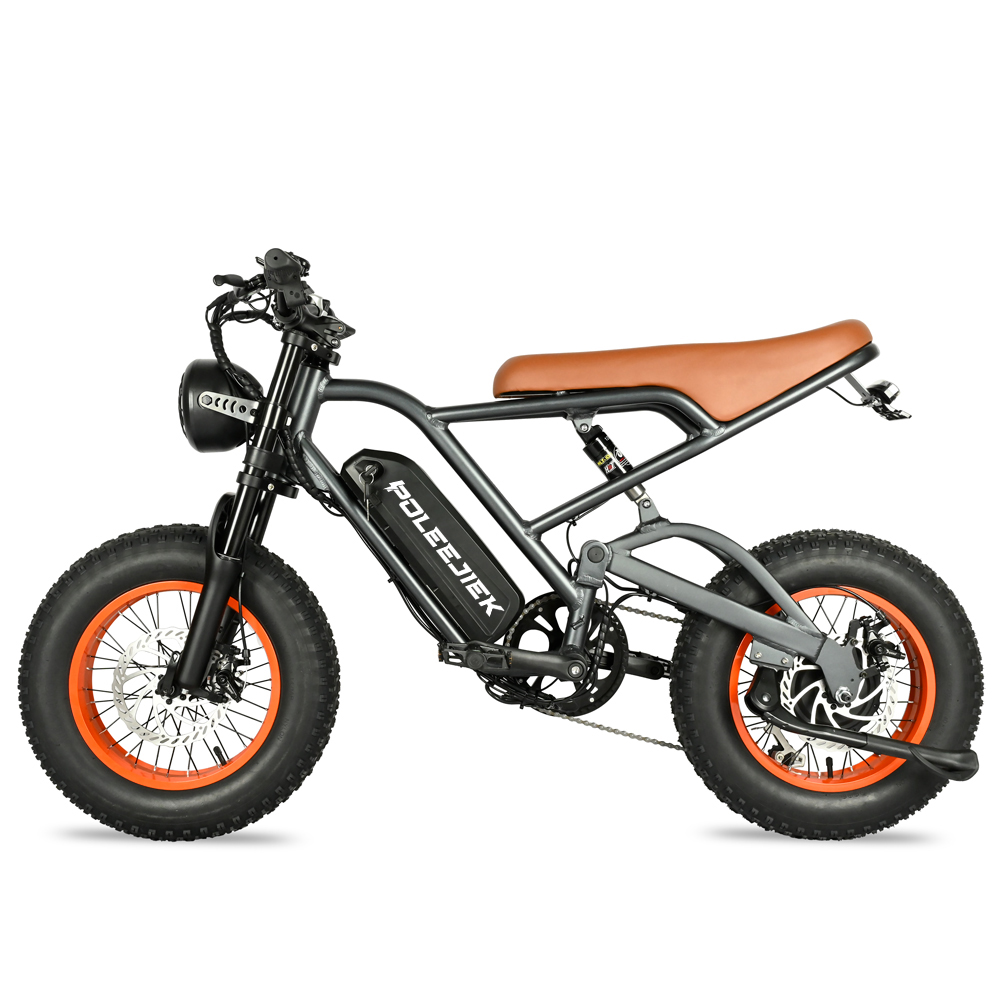
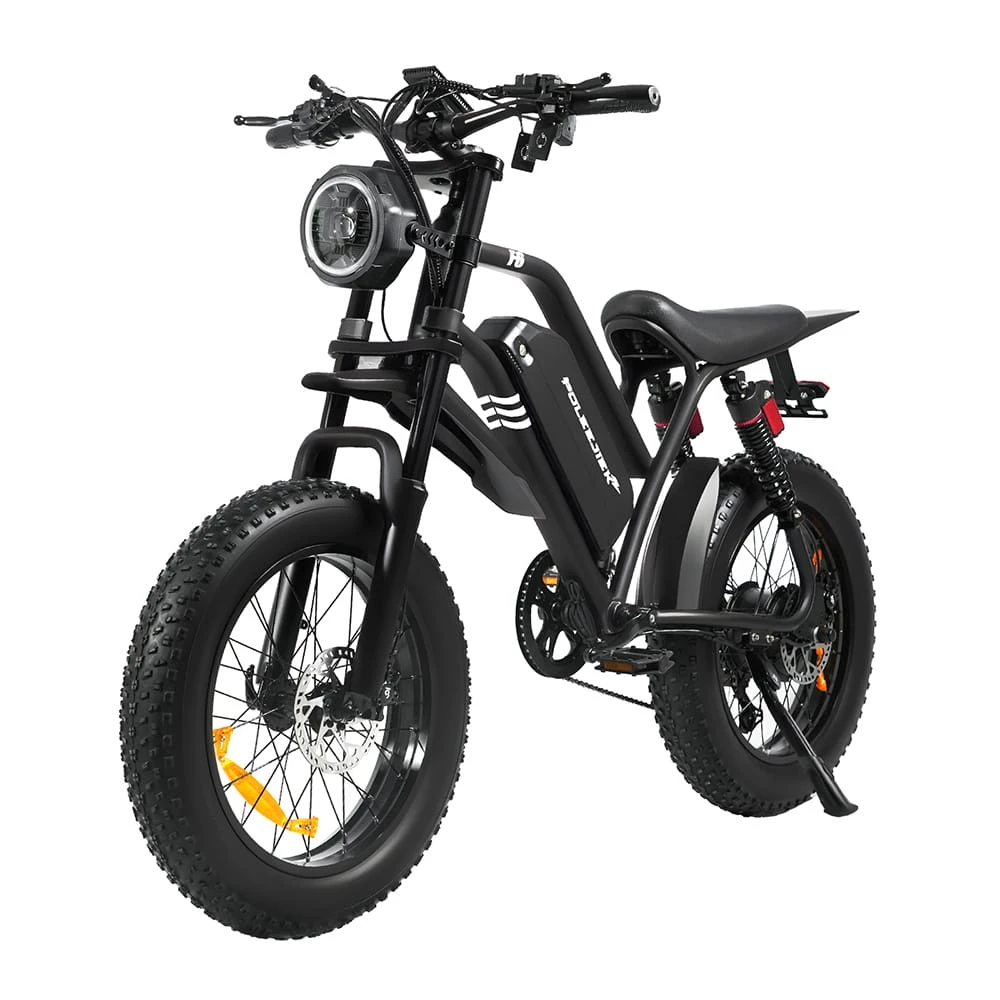
High-quality e-bikes, such as the POLEEJIEK series, utilize sophisticated torque sensors rather than basic cadence sensors. Torque sensors measure the force you apply to the pedals in real-time, providing a proportional boost. This results in a natural "bio-feedback" loop where the motor enhances your strength rather than replacing it, ensuring a jerk-free experience on technical inclines.

A Joint-Centric Approach: Low-Impact Aerobic Exercise
While cycling is widely recognized as a "low-impact" sport, high-intensity climbing can place excessive compressive force on the patellofemoral joint.
According to the Arthritis Foundation, cycling strengthens the quadriceps and hamstrings, which are crucial for stabilizing the knee. An e-bike optimizes this by allowing the rider to maintain a higher cadence (RPM) with lower peak force. This "active recovery" mode builds muscular endurance without triggering inflammatory joint responses often associated with high-torque manual pedaling.
Comparison: Mid-Drive vs. Hub Motors for Riders 40+
| Feature | Mid-Drive (Recommended) | Hub Motor |
|---|---|---|
| Ride Feel | Natural, mimics human leg power | "Pushing" sensation |
| Climbing Efficiency | Excellent (Uses bike's gears) | Moderate (Single speed) |
| Joint Impact | Lowest (Smoother power curve) | Variable |
Managing Fatigue and Safety: Ride with Confidence
Fatigue isn't just about discomfort; it's a safety risk. A tired rider is less likely to react quickly to terrain changes. The e-bike acts as a safety net, providing a "Return Home" power reserve that eliminates range anxiety.
Technical Insight: Why david's Experience Matters
David (52) switched to a POLEEJIEK mid-drive e-MTB because of recurring knee stiffness. By using Eco Mode for 80% of his ride and Sport Mode for the initial 15% incline, he maintained a heart rate within his aerobic zone (120-130 bpm), maximizing cardiovascular benefits while minimizing joint stress.
Regulatory Compliance: Street Legal Safety
In the United States and Europe, understanding the Class 1, 2, and 3 ebike system is essential. For most riders over 40, a Class 1 (Pedal Assist only, 20mph) model is the optimal choice for unrestricted access to multi-use trails and state parks.
Conclusion: Investing in Future Mobility
For the modern rider, an electric bike is a strategic tool for active aging. It empowers you to conquer terrain that once felt daunting and protects your physiological health for years of future exploration.
Discover our range of mountain e-bikes and consult with our specialists to find the perfect ergonomic fit for your 2025 adventures.