Prep for 2026: The Ultimate End-of-Year Maintenance Checklist for Your Electric Dirt Bike
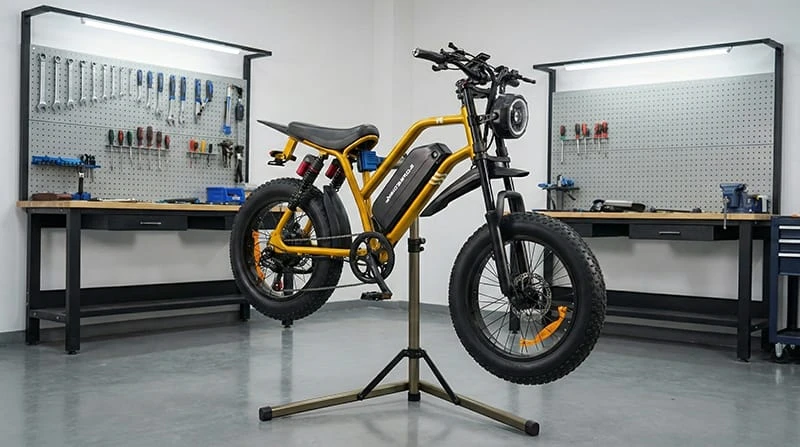
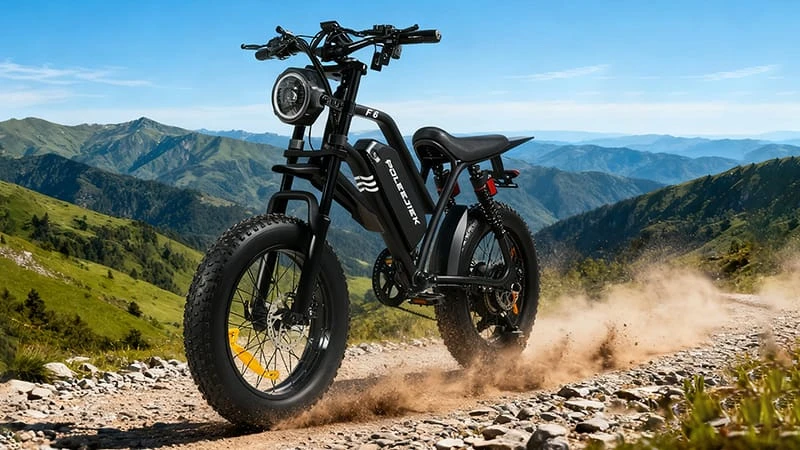
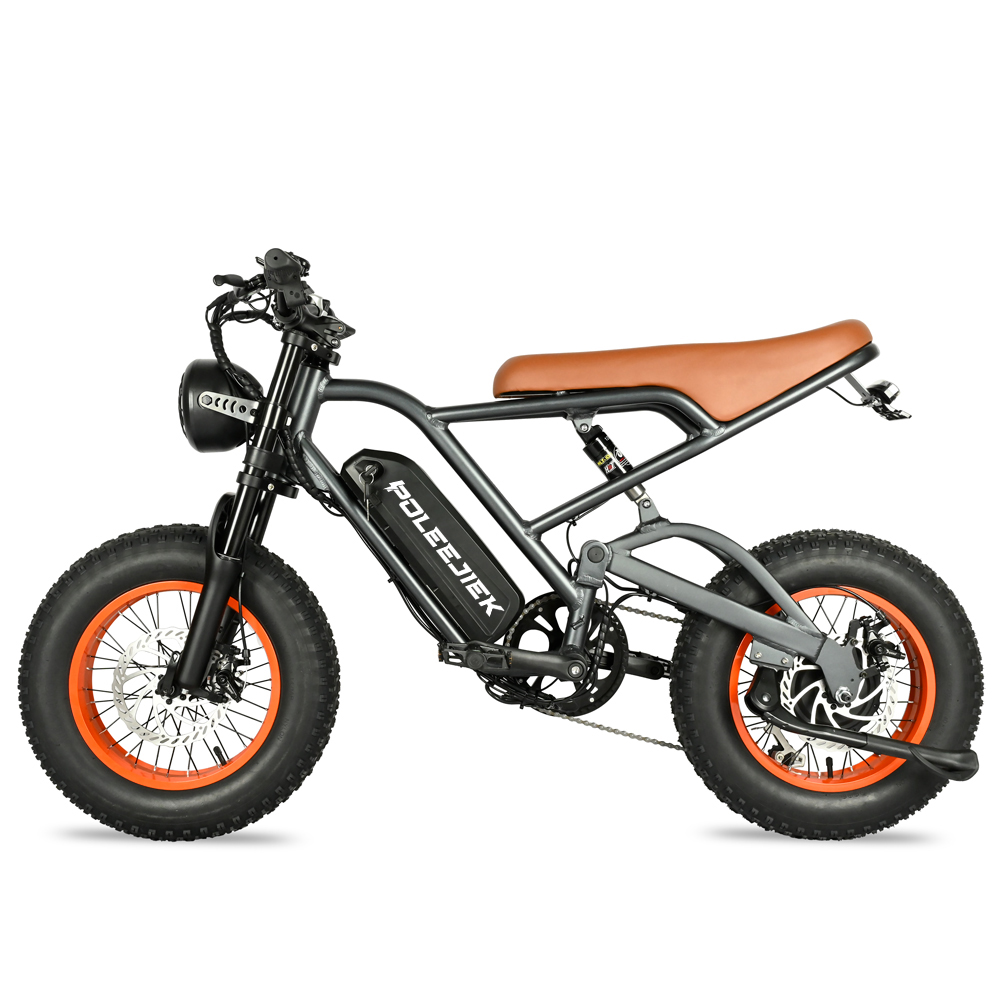
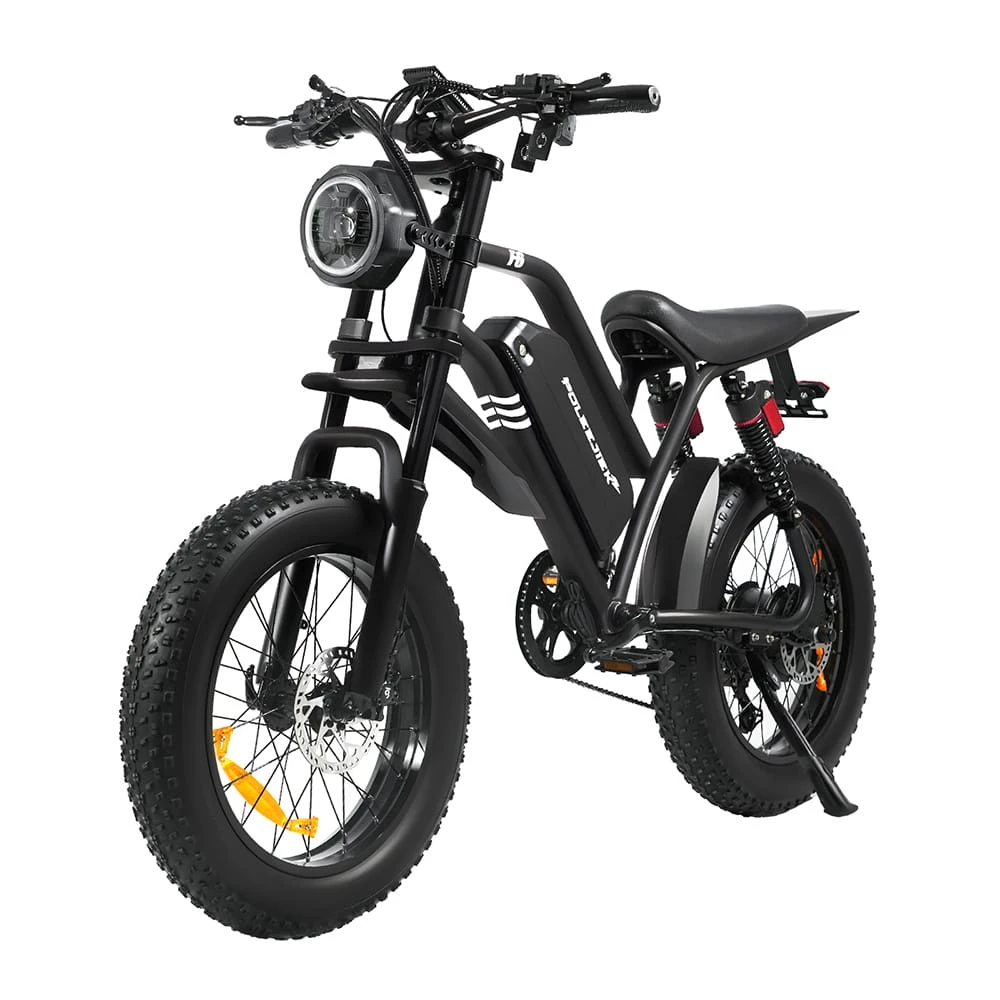
As the calendar turns and we prepare to welcome 2026, it is time to reflect on the adventures of the past year. Whether you spent 2025 carving through muddy trails, commuting through urban jungles, or pushing the limits of your Poleejiek F6, your electric dirt bike has likely accumulated significant mileage.
Before you store your bike for the deep winter or gear up for your first ride of the New Year, your machine deserves a comprehensive "health check." Appropriate maintenance is not just about keeping the bike shiny; it is about protecting your investment. A well-maintained 1500W electric system ensures safety, maximizes range, and guarantees that the Poleejiek F6 retains its high-performance edge for years to come.
This guide provides a professional, step-by-step maintenance protocol designed specifically for the F6 architecture, focusing on structural integrity, braking safety, and our distinct advantage: the low-maintenance hub motor system.
1. The "Nut & Bolt" Check: Ensuring Structural Integrity
Electric dirt bikes, particularly high-torque models like the F6, are subjected to unique physical stresses. The combination of off-road vibration and the instant torque from the 1500W motor can, over time, cause fasteners to settle or loosen. This is a natural occurrence in all mechanical vehicles, from motorcycles to cars.
The Importance of the Torque Check
Ignoring loose bolts can lead to component failure, annoying rattles, or compromised handling. A 20-minute inspection now prevents potential repairs later. Tighten bolts on electric bike components regularly to ensure longevity.
Critical Inspection Points
Grab a set of hex keys and a wrench. We recommend focusing on the following "high-stress" zones:
- Wheel Axle Nuts: These are critical for safety. Ensure the front and rear axle nuts are tightened to spec. Loose axles can lead to wheel wobble or motor power disconnection.
- Handlebar & Stem Bolts: Check the four bolts securing the faceplate of the stem. Tighten them in an "X" pattern to ensure even clamping force. If the handlebars shift during a ride, it can result in a loss of control.
- Rear Suspension Linkage: The F6 features an adjustable suspension system. Check the pivot points and mounting bolts on the rear shock. These areas absorb the most impact during off-road riding.
- Kickstand Bolt: Often overlooked, the kickstand bolt frequently loosens due to the constant deployment and retraction.
The Poleejiek Advantage
While routine checks are mandatory for any vehicle owner, the Poleejiek F6 is engineered with high-strength, nylon-insert lock nuts in critical areas to resist vibration-induced loosening. However, adding a drop of "Blue Loctite" (threadlocker) to non-locking accessory bolts (like fender mounts) is a proactive measure we recommend for serious off-roaders.
2. Braking Power: Hydraulic System Maintenance
When you are piloting a vehicle capable of 25MPH with a robust frame, stopping power is just as important as acceleration. The F6 utilizes a hydraulic disc brake system, which offers superior modulation compared to mechanical cable brakes. However, they require specific attention during your end-of-year review.
Inspecting Brake Pads
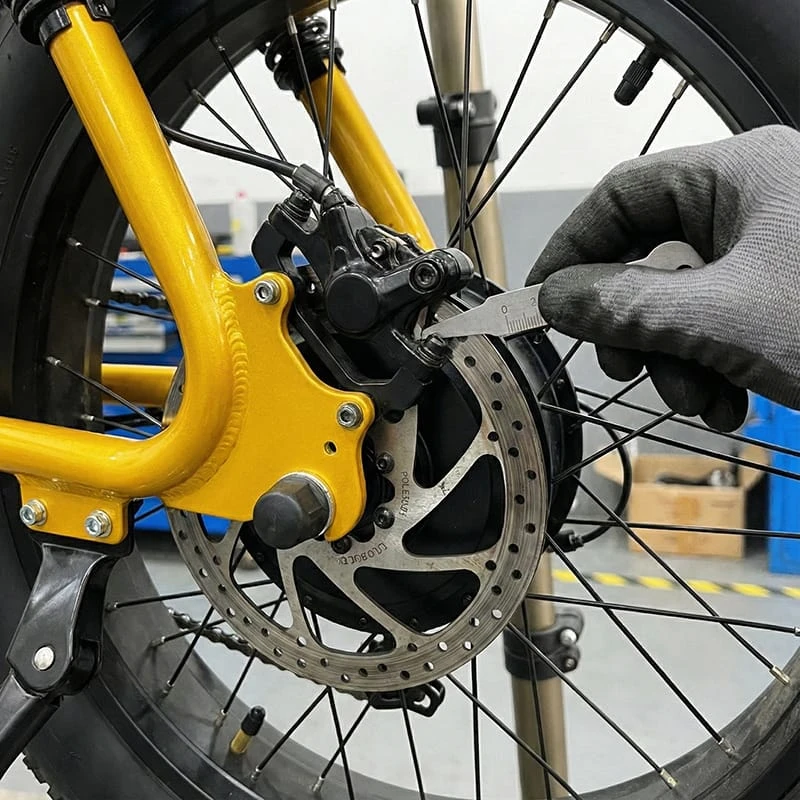
The most common wear item on any e-bike is the brake pad. You must check ebike brakes regularly to ensure safety.
- Visual Inspection: Shine a flashlight into the caliper (the unit clamping the wheel rotor).
- The 1mm Rule: Look at the pad material (the gritty part touching the metal rotor). If the material is thinner than 1mm—roughly the thickness of a credit card—it is time to replace them.
- Uneven Wear: Check if the pads are wearing evenly. Uneven wear might indicate the caliper needs realigning.
Rotor Condition
Inspect your brake rotors (discs). Look for deep gouges, warping, or "glazing" (a shiny, mirror-like surface caused by excessive heat). Glazed rotors reduce friction and stopping power. If they are dirty, clean them with specific Isopropyl Alcohol or dedicated brake cleaner—never use soap or oil-based cleaners here.
The F6 Advantage
One of the design philosophies behind the F6 is user-serviceability. Unlike complex regenerative braking systems integrated into some mid-drive controllers that require dealer software to service, the F6 hydraulic calipers are standard mounting. Swapping brake pads takes less than five minutes with basic tools, minimizing downtime.
3. Power & Grip: Drivetrain and Tire Logic
This section highlights the massive architectural advantage of the Poleejiek F6 compared to many competitors: the drivetrain.
The Hub Motor Advantage
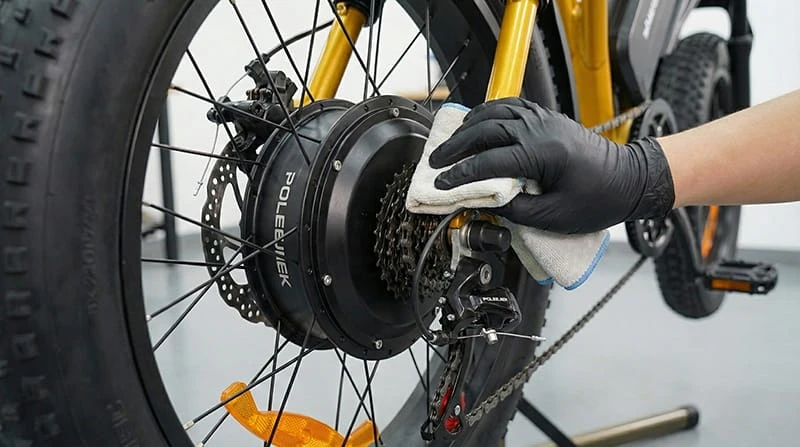
If you owned a mid-drive electric dirt bike, this section of the article would be quite long. You would need to check chain stretch, replace worn sprockets, lubricate the chain specifically to handle motor torque, and worry about a snapped chain stranding you.
With the F6 Hub Motor, you skip all of that. Because the 1500W motor is located directly in the rear wheel hub, the power is transferred directly to the ground.
- No Drivetrain Stress: The chain and derailleur on the F6 are only used for your pedaling. They do not handle the massive torque of the motor. This means your chain lasts significantly longer.
- Maintenance: Simply wipe down the motor casing with a damp cloth to remove mud or dust. That is it. There are no internal gears to grease and no belts to tension. This reliability is why the F6 is a preferred choice for riders who want to ride, not wrench.
Tire Care and Pressure
The 4-inch fat tires are your primary suspension and traction source. Proper fat tire pressure is crucial for performance.
- Check for Debris: Spin the wheels slowly and look for embedded glass, thorns, or sharp rocks in the tread. Remove them now before they work their way into the tube.
- Sidewall Inspection: Look for cracks or "dry rot," especially if the bike has been parked in direct sunlight.
- Winter Pressure: If you plan to ride in wet or snowy conditions in early 2026, consider lowering your tire pressure slightly (e.g., to 15-18 PSI) to increase the contact patch and grip. If storing the bike, inflate them to 25 PSI to prevent flat spots from forming while it sits stationary.
4. Battery Health: The 48V 20Ah Heart
The battery is the single most valuable component of your electric dirt bike. Proper ebike battery care is the difference between a battery that lasts 3 years and one that lasts 5 years.
Storage Protocol (Long-Term)

If you are putting the F6 away for the winter season:
- Do Not Store at 100%: Storing a Lithium-Ion battery fully charged for months can stress the internal chemistry.
- Do Not Store at 0%: If the battery drains below its critical voltage due to self-discharge, it may never wake up again.
- The Sweet Spot: Charge or discharge the battery to roughly 50% - 70%. This puts the cells in their most stable chemical state. Check the charge level once a month.
Active Usage Protocol (Short-Term)
If you plan to keep riding through the winter:
- Temperature Management: Never charge a frozen battery. If you have been riding in sub-zero temperatures, bring the battery inside and let it reach room temperature before plugging in the charger. Charging below freezing can cause permanent damage to the anode.
- Cell Balancing: Occasionally, leave the battery on the charger for 30-60 minutes after the light turns green. The Battery Management System (BMS) uses this time to balance the voltage of individual cells, ensuring maximum capacity.
5. Cleaning and Lubrication
A clean bike is a happy bike. Mud and road salt are corrosive and can seize bolts or degrade electrical connections. Cleaning electric bike components correctly preserves their lifespan.
The "No High Pressure" Rule
The F6 is rated IP54, meaning it is protected against water splashes and dust. However, it is not a submarine, nor is it designed to withstand a 2000 PSI pressure washer.
- Do: Use a bucket of soapy water, a sponge, and a low-pressure garden hose (mist setting).
- Don't: Blast water directly at the wheel axles, motor seals, or battery contacts. High-pressure water can force its way past seals and corrode internal bearings.
Lubrication
After washing and drying (use a leaf blower or towel), apply a light bicycle chain lubricant to the Shimano 7-speed chain. This prevents rust. Wipe off any excess lube to avoid attracting dirt.
FAQ: Common Maintenance Questions
Q: How often should I service my F6?
A: We recommend a "Nut & Bolt" check every month if you ride off-road frequently. For general maintenance (brakes, tires), a comprehensive check every 500 miles is a good standard.
Q: Can I wash my F6 with a hose?
A: Yes, you can use a hose, but exercise caution. Use low pressure and avoid spraying directly into the motor hub, battery tray, or controller housing. Always remove the battery and dry the contacts before re-installing.
Q: My brakes feel "spongy." What should I do?
A: Spongy brakes usually mean air has entered the hydraulic line. This requires "bleeding" the brakes. While this is a standard procedure, if you are not comfortable doing it, a local bike shop can handle this easily.
Q: Where can I buy replacement brake pads or tires?
A: We stock a full range of OEM parts. For guaranteed compatibility, please visit the Poleejiek website or contact our support team.
Conclusion: Ready for Every Adventure
Taking 20 to 30 minutes to perform this end-of-year checklist does more than just clean your bike; it resets your baseline for safety and performance. The Poleejiek F6 is built to be rugged, durable, and low-maintenance, but it relies on you to oversee the basics.
By tightening those bolts, checking your brake pads, and caring for your battery, you ensure that when the first perfect riding day of 2026 arrives, your F6 is ready to conquer the trail immediately.
Need parts to complete your maintenance?
Don't wait for the spring rush. Check your brake pads and tires today.
Shop our End-of-Year Parts Sale & F6 Accessories Here