Mid-Drive E-Bike Technology Explained | Torque Sensors vs. Hub Motors
A mid-drive electric bike is renowned for its natural ride feel and superior efficiency, but what's the engineering behind that performance? This guide from the POLEEJIEK R&D team goes beyond the basics to explain the intricate system of sensors, motor control, and drivetrain integration that defines a high-quality mid-drive e-bike.
The Four Core Components of a Mid-Drive System
A mid-drive system is more than just a motor; it's an integrated ecosystem of four key parts working in harmony.
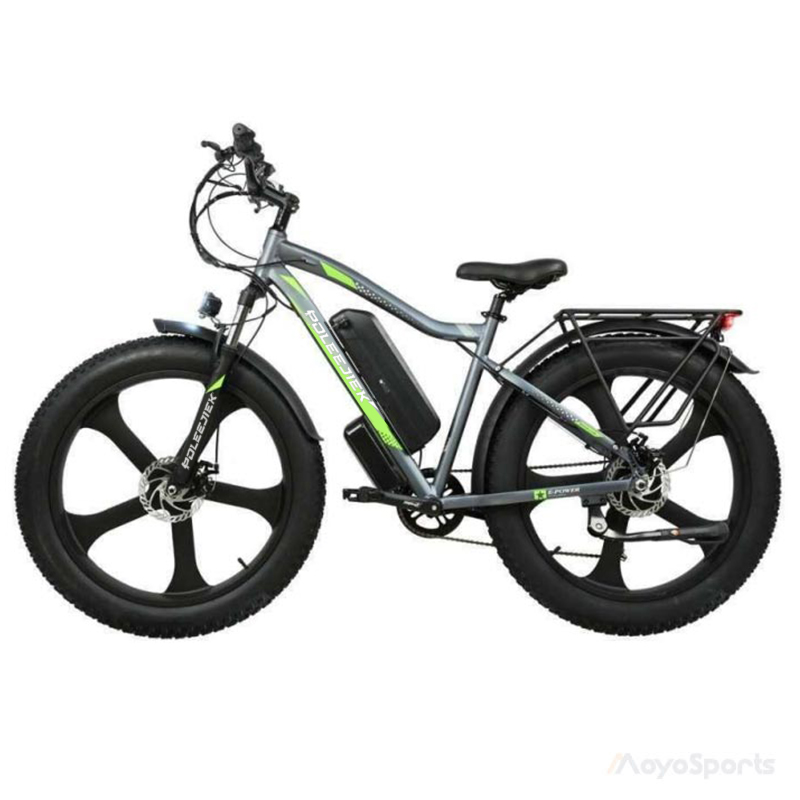
1. The Motor & Drivetrain Integration
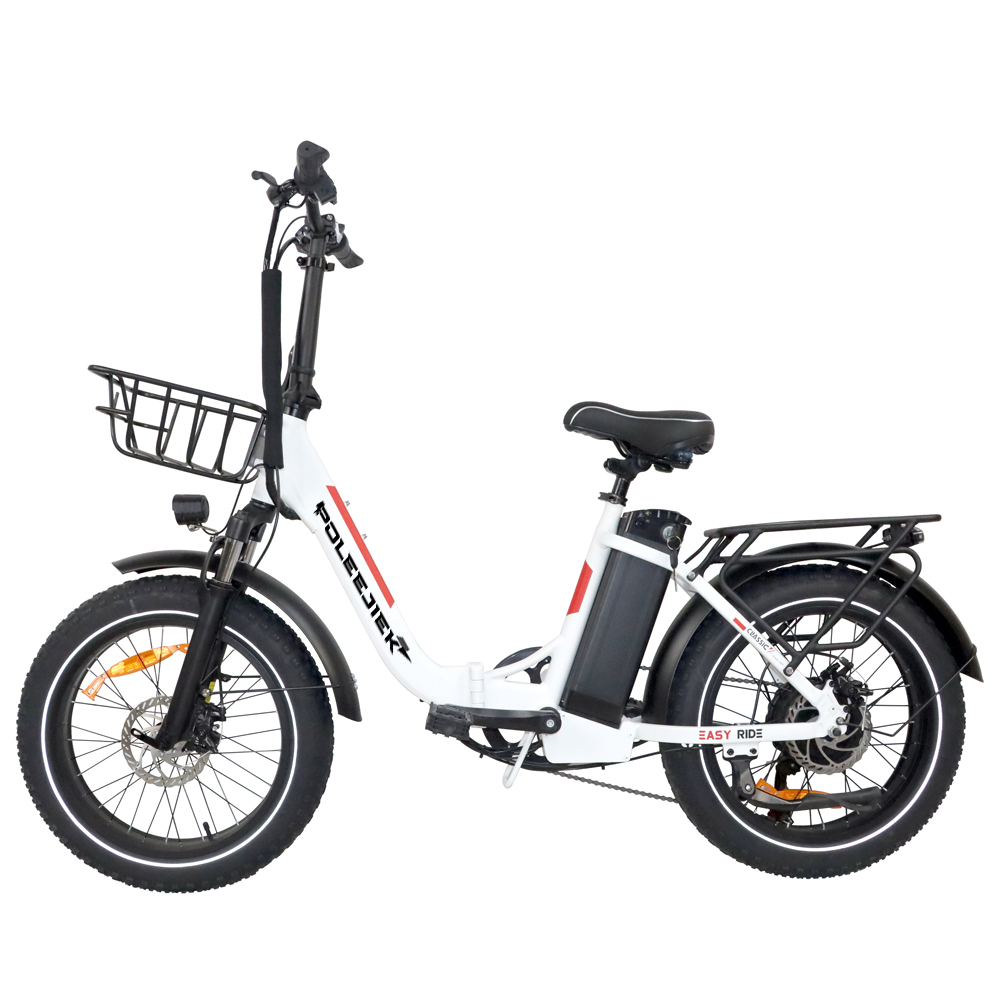
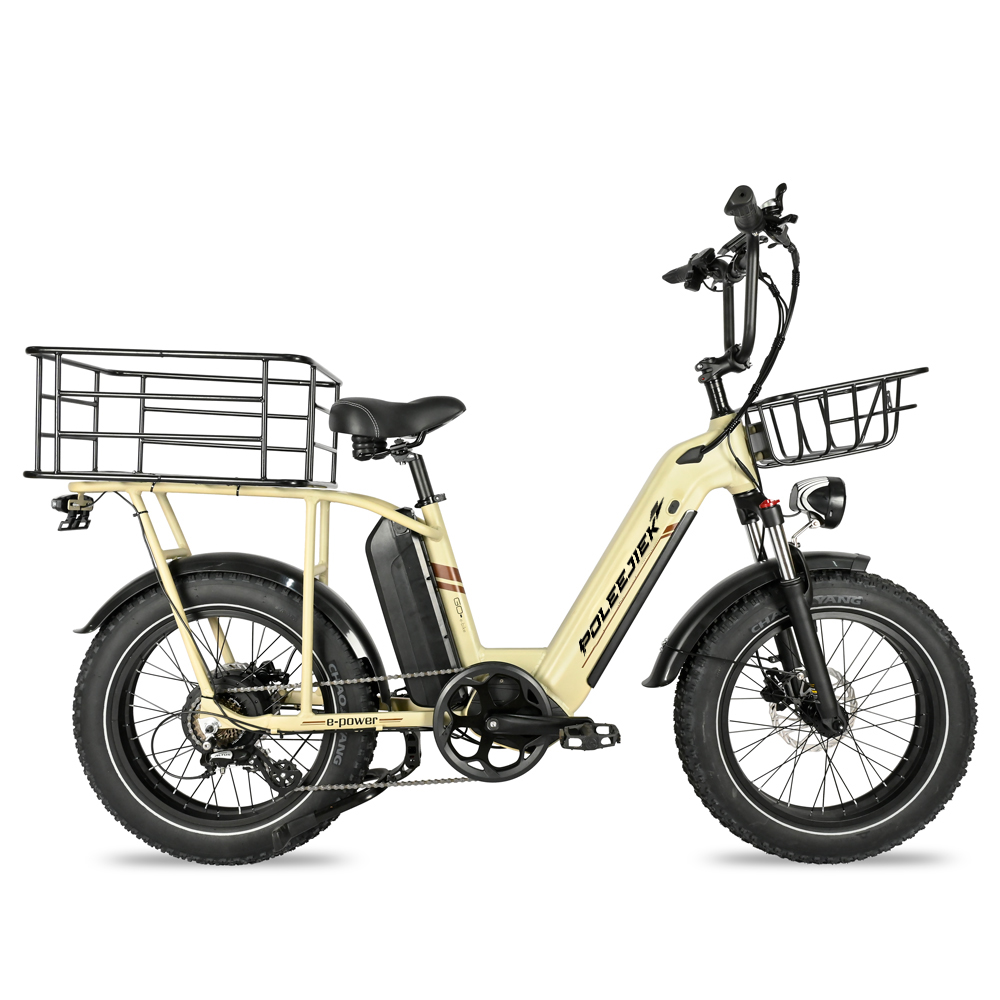
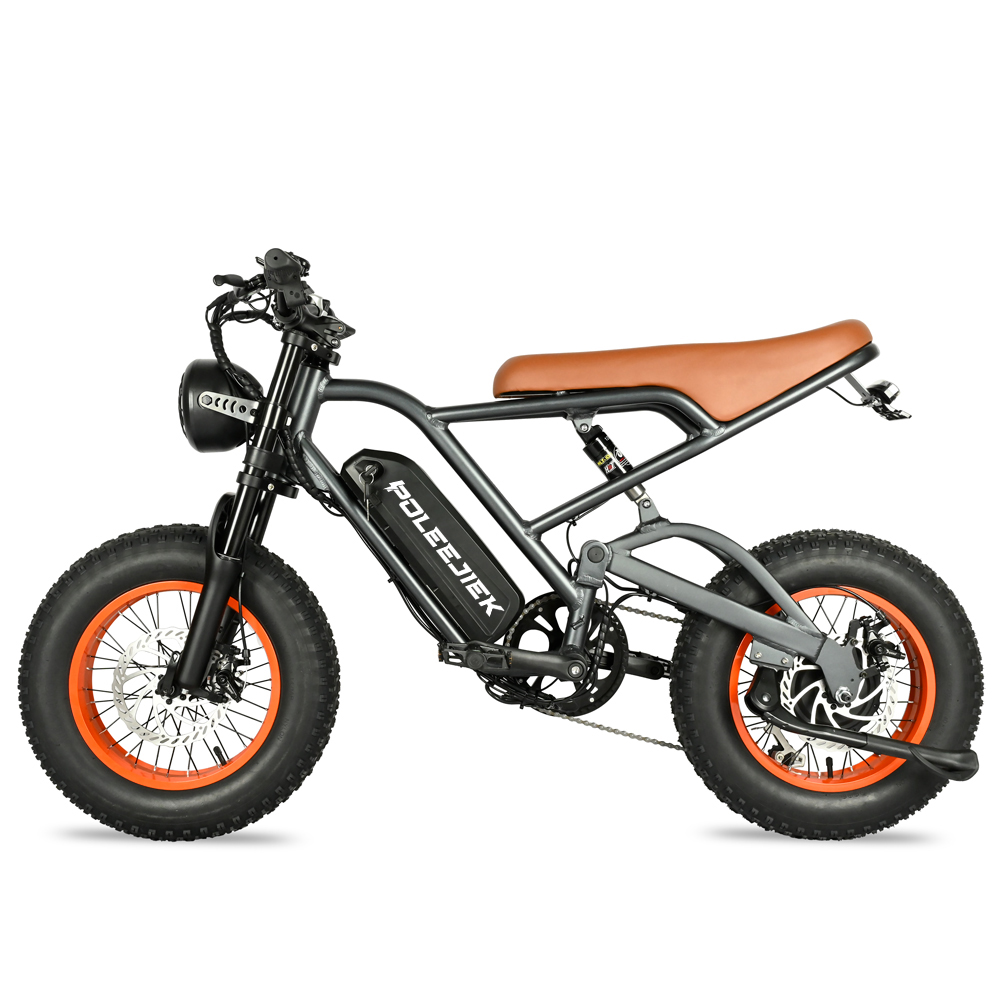
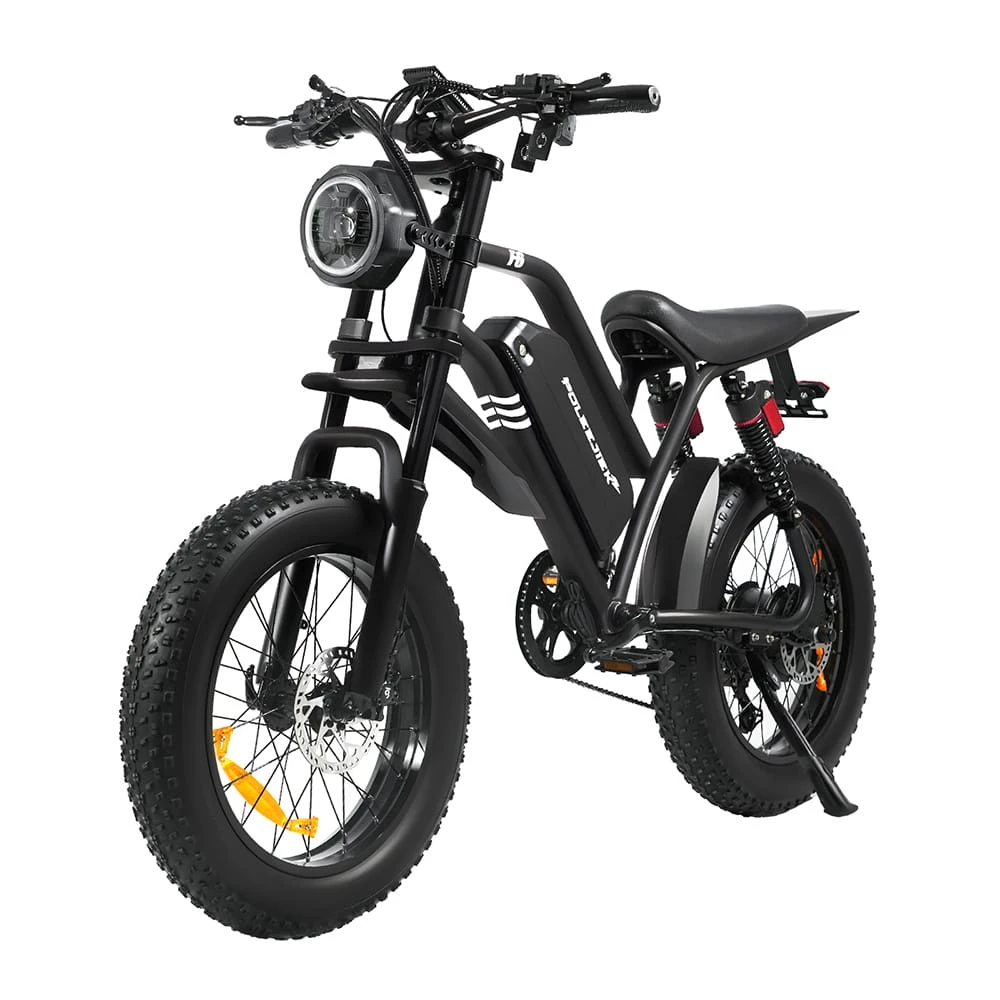
The motor is located at the bike's bottom bracket, applying power directly to the crankset. This central placement ensures a low, balanced center of gravity for improved handling. Crucially, the motor powers the bike's existing drivetrain (the chain and gears), which is the system's greatest strength. Think of it like a car's engine and transmission: the motor is the engine, and the bike's gears are the transmission, allowing the motor to operate at its most efficient speed (RPM) regardless of how fast the bike is moving.
2. The Brain: Sensors & Controller
This is the most critical element defining the ride feel. The controller is the computer that reads data from sensors and tells the motor how much power to provide. There are two primary types of sensors:
- Torque Sensors: These measure how hard you are pressing on the pedals. The assistance is proportional to your effort—pedal lightly for a little help, push hard for maximum power. This results in an intuitive, seamless ride that feels like you have bionic legs. It's the premium standard for high-performance e-bikes.
- Cadence Sensors: These simply detect if the pedals are turning. Once you start pedaling, the motor provides a pre-set level of assistance, regardless of your effort. This can sometimes feel like an "on/off" switch and is more common in entry-level hub motor systems.
All POLEEJIEK Mid-Drive E-bikes utilize advanced torque sensors for the most natural and responsive experience.
3. The Power Source: Battery Pack
The system is powered by a rechargeable lithium-ion battery, typically mounted on the down tube. Its capacity (measured in Watt-hours, Wh) determines the bike's range. A mid-drive system's efficiency helps maximize the range you get from every charge.
4. The Interface: Display and Controls
A handlebar-mounted display allows you to select your desired level of pedal assistance (e.g., Eco, Tour, Turbo), and monitor key data like speed, remaining battery life, and distance traveled.
Mid-Drive vs. Hub Motor: A Head-to-Head Technical Comparison
To understand why mid-drive is often preferred for performance riding, here’s a direct comparison:
| Feature | Mid-Drive Motor | Hub Motor (Rear) |
|---|---|---|
| Weight Distribution | Balanced & Low | Rear-heavy |
| Hill Climbing Efficiency | Excellent (Uses gears) | Good (Can overheat on long climbs) |
| Ride Feel (w/ Torque Sensor) | Natural & Intuitive | Feels "pushed" |
| Drivetrain Wear | Higher (Chain/cassette) | Lower |
| Tire Changes | Easy (Standard wheel) | Complex (Motor in wheel) |
Safety, Speed, and Regulations
Mid-drive e-bikes in the U.S. are typically governed by a 3-class system to ensure rider safety. The motor is designed to automatically cut off assistance at a set speed:
- Class 1: Pedal-assist only, with a maximum assisted speed of 20 mph.
- Class 3: Pedal-assist only, with a maximum assisted speed of 28 mph. This is common for high-performance commuter and mountain models.
Always check local regulations to understand where you can ride your e-bike.
Conclusion: A Smarter, More Efficient System
In summary, a Mid-Drive Motor Electric Bike works by using a sophisticated, sensor-driven system that applies power directly through the bicycle's own gears. This engineering choice results in superior efficiency, a more balanced and intuitive ride, and exceptional performance, especially on hills. For riders who demand a natural feel and top-tier performance, the mid-drive system is the undisputed industry standard.
About the Author
This technical guide was written by the POLEEJIEK Engineering and R&D Team. With extensive experience in motor control algorithms, sensor integration, and real-world performance testing, our team is dedicated to providing riders with accurate, in-depth knowledge to demystify the technology behind a great e-bike.