e-MTB Engineering Guide 2025: Tech, Compliance & Performance
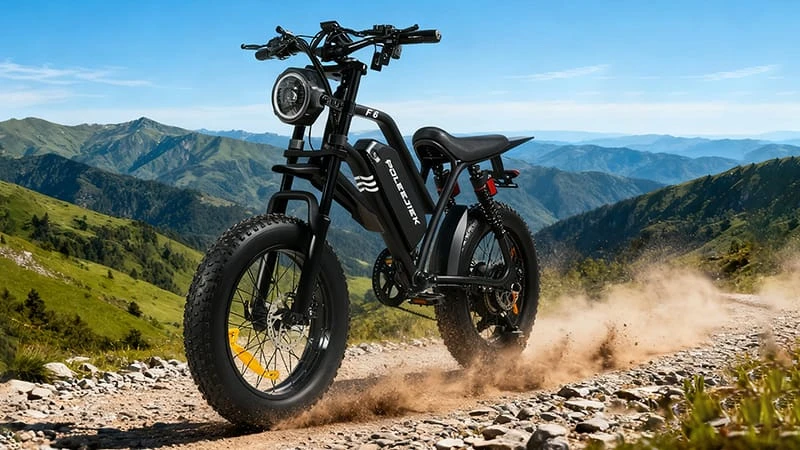
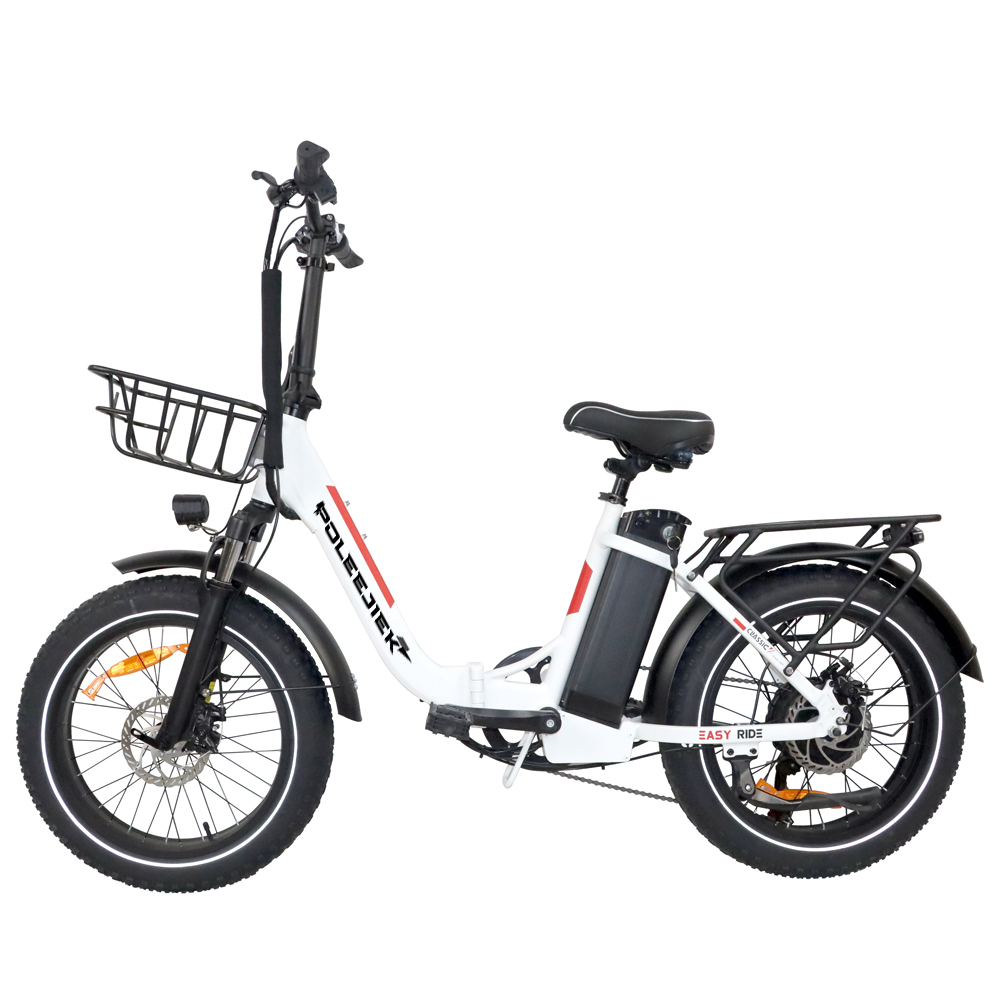
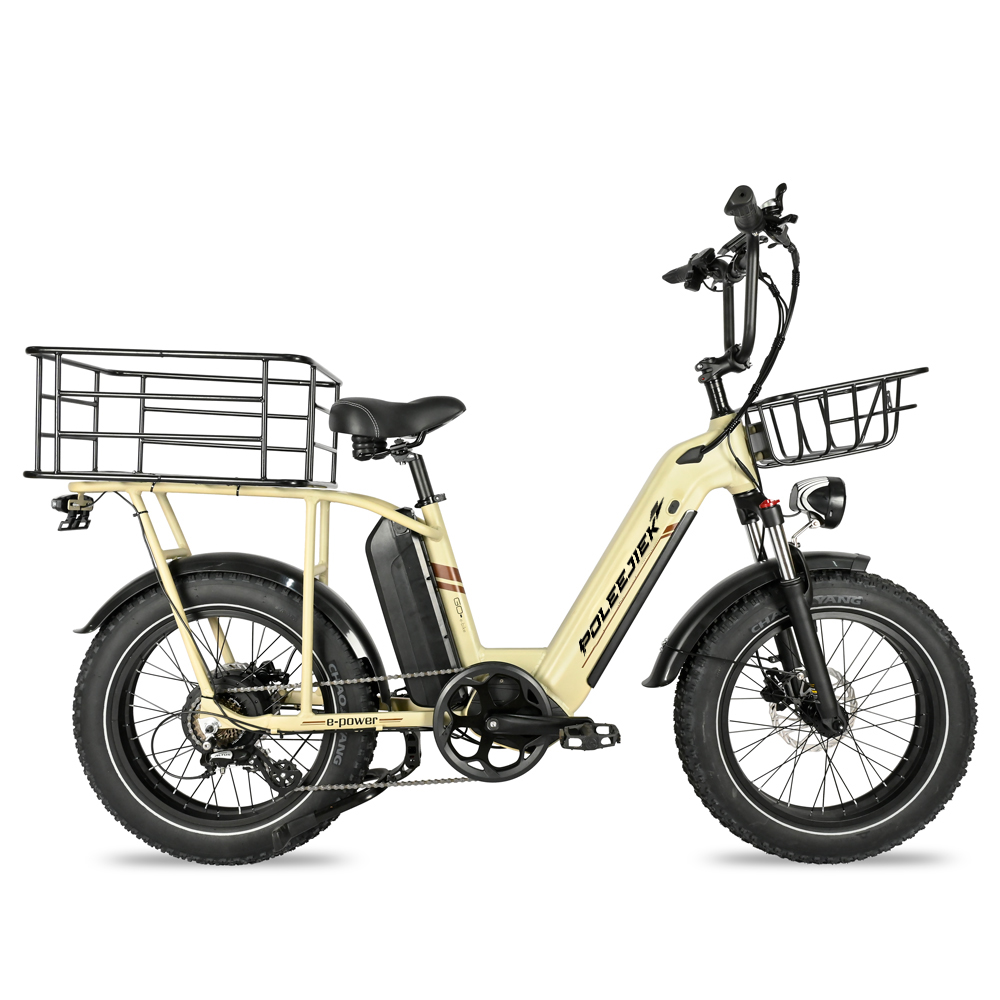
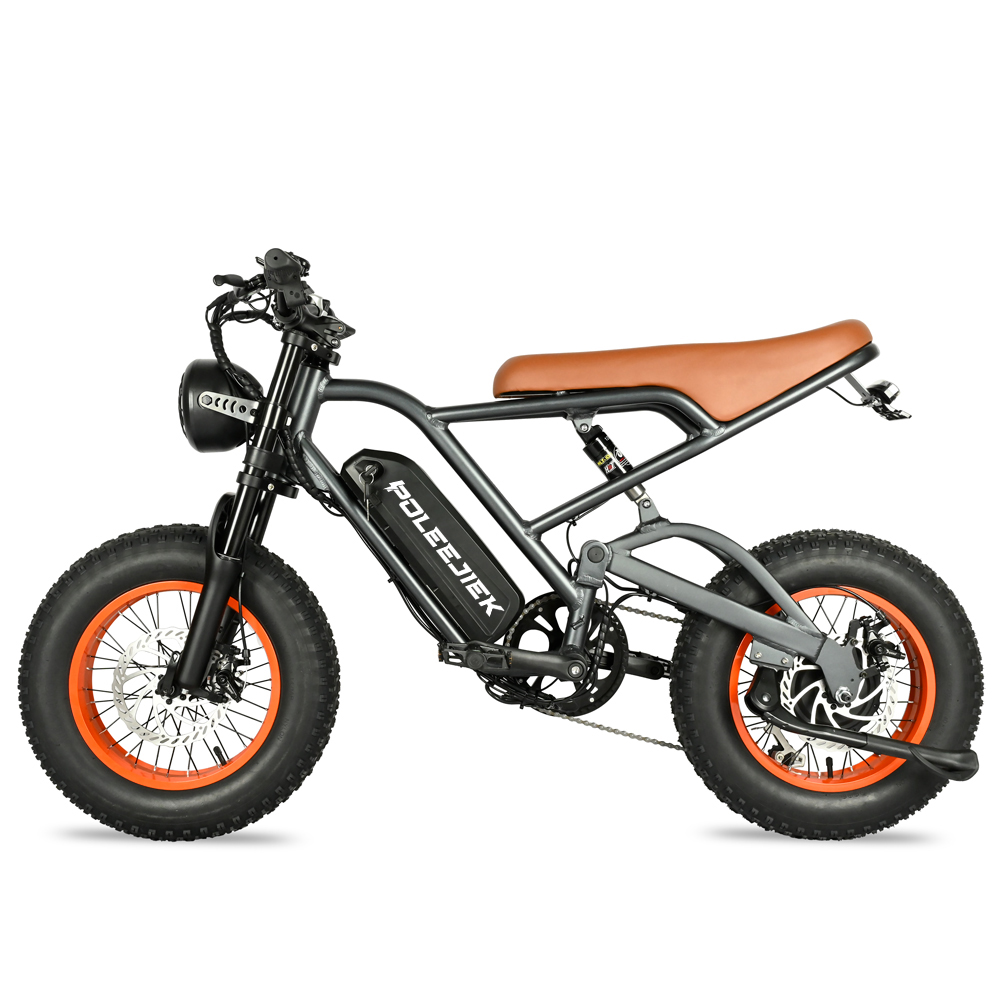
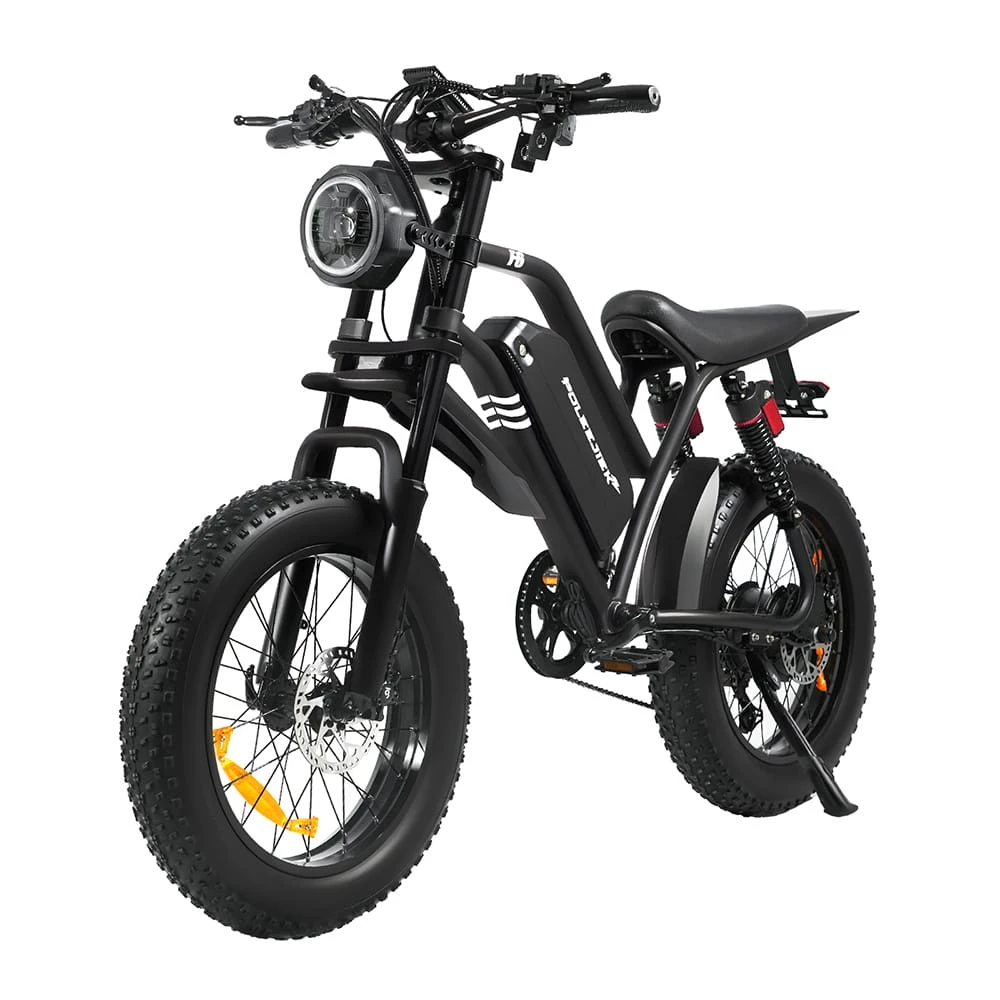
As the global off-road market evolves in 2025, the electric mountain bike (e-MTB) has transitioned from a niche luxury to a high-performance engineering marvel. At POLEEJIEK, we define the e-MTB not as a shortcut, but as a force-multiplier. This guide explores the mechanical standards, power-to-weight ratios, and compliance frameworks that define a modern performance e-MTB.
The Engineering Matrix: Systems That Define an e-MTB
A professional e-MTB is a complex integration of mechanical and electrical systems, requiring adherence to ISO 4210 (Safety requirements for bicycles) and UL 2849 (Electrical systems for ebikes).
- Mid-Drive Powertrain: Positioned at the bottom bracket, mid-drive motors (like our 95Nm High-Torque series) maintain a 50/50 weight distribution. This allows the motor to utilize the 10 or 12-speed drivetrain, optimizing RPM for 30%+ inclines where hub motors would overheat.
- Energy Density (Wh): We utilize 21700 lithium cells to achieve 750Wh+ capacities. For B2B fleets, this translates to 60-80 miles of rugged trail range, ensuring all-day operational uptime.
- Kinematics & Chassis: e-MTB frames require reinforced head tubes and chainstays to handle the 25% higher torsional forces compared to analog bikes.

Quantitative Advantages of the e-MTB Ecosystem
1. Efficiency Gains: The "ROI of Time"
The primary B2B and consumer benefit is the optimization of the "Climb-to-Descent" ratio.
Field Testing Data: Trail Efficiency Report
Our lead engineer, Sarah, conducted a comparative test on a 1,500-foot vertical gain route.
- Analog MTB: 52 mins | Heart Rate: 175 bpm (Peak) | Fatigue: High
- POLEEJIEK e-MTB (Trail Mode): 24 mins | Heart Rate: 135 bpm (Steady) | Fatigue: Low
- Result: A 54% time reduction, allowing for multiple "laps" and more skill-focused descent training within the same time window.
2. Inclusive Market Reach
e-MTBs serve as a "Great Equalizer" for adventure tourism. They enable multi-generational groups to maintain a consistent pace (typically 10-12 mph uphill), expanding the target demographic for rental fleets and tour operators.
3. Cardiovascular Health & "Active Recovery"
Clinical studies, including research cited by PeopleForBikes, show that e-bike riders often achieve 90-95% of the cardiovascular benefit of analog riding, as they ride more frequently and for longer durations.
Debunking e-MTB Myths with Data
Myth #1: "e-MTBs Are Dangerous Downhill" - Objective Context
While an e-MTB is 15-20 lbs heavier, modern 4-piston hydraulic brakes and 203mm rotors provide the necessary stopping power. The increased mass actually provides better high-speed stability (the "plow effect"), though it requires more deliberate counter-steering in tight switchbacks.
Myth #2: "e-MTBs Damage Trails" - The IMBA Perspective
According to the International Mountain Bicycling Association (IMBA), Class 1 e-MTBs have a soil displacement impact similar to traditional mountain bikes. The smooth, consistent torque of a mid-drive motor often prevents the "rear-wheel spin" caused by human power surges on loose climbs.
Compliance: The POLEEJIEK Safety Standard
When you choose a POLEEJIEK mountain electric bicycle, you are investing in verified safety:
- UL 2849 Certification: Every electrical system is fire-safety tested.
- Firmware Integrity: Our motors are locked to Class 1 (20mph) or Class 3 (28mph) standards to ensure trail access legality.
- After-Sales Support: We provide comprehensive B2B maintenance guides to ensure fleet longevity.
Request a Technical Fleet Consultation
About the POLEEJIEK Engineering & Trail Testing Team
Comprised of ISO-certified engineers and former competitive riders, our team has logged over 10,000 miles of trail testing to ensure our e-MTBs meet the highest standards of performance, safety, and legal compliance.