How Fast Do Electric Bikes Go? Class 1, 2 & 3 Speed Limits Explained
If you are new to the world of e-cycling, one question likely tops your list: "How fast do electric bikes go?"
The short answer is: In the United States, most street-legal electric bikes are limited to speeds between 20 mph (32 km/h) and 28 mph (45 km/h). However, the exact top speed depends on the bike's "Class" and whether you are pedaling or just using the throttle.
In this guide, we will break down the speed limits for the three main e-bike classes and explain what to do if you have a need for speed beyond the legal limits.
Quick Summary: E-Bike Speed Limits by Class
| Class | Top Speed | Motor Operation | License Needed? |
|---|---|---|---|
| Class 1 | 20 mph | Pedal Assist Only | No |
| Class 2 | 20 mph | Throttle + Pedal Assist | No |
| Class 3 | 28 mph | Pedal Assist Only | No (Helmet usually required) |
The 3 Classes of E-Bike Speeds Explained
1. Class 1: The "Pedal-First" Commuter (20 mph)
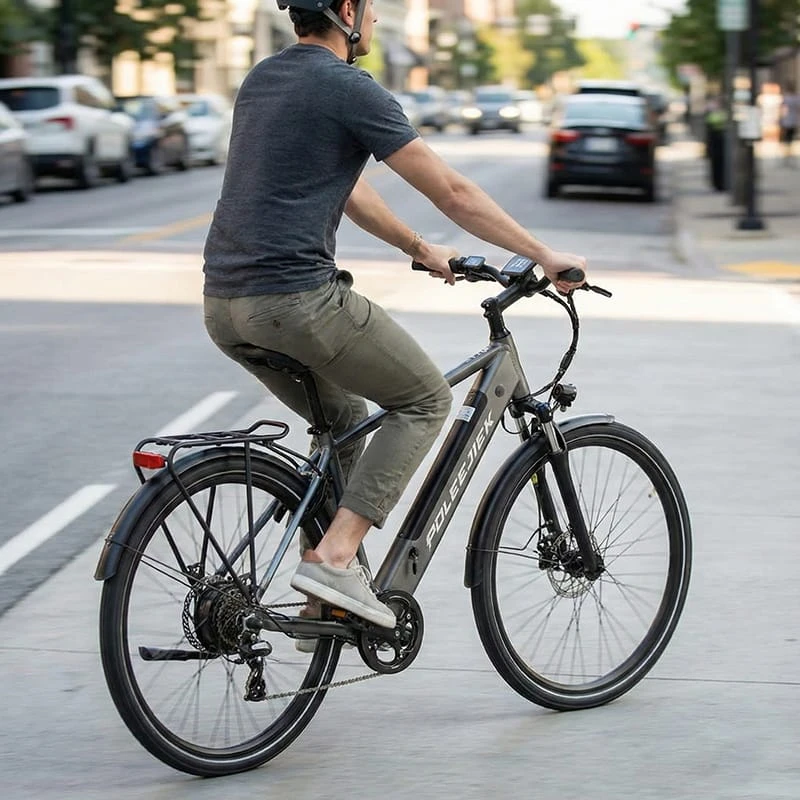
Class 1 electric bikes require you to pedal. The motor only kicks in when you are actively pedaling. Once you reach 20 mph, the motor cuts off. You can go faster than 20 mph if you pedal hard or ride downhill, but the motor won't help you past that point.
2. Class 2: Throttle-Assisted Cruisers (20 mph)
This is the most popular category for many riders. A Class 2 electric bike features a throttle (either a twist grip or thumb button). This means you can ride at 20 mph without pedaling at all—just like a scooter.
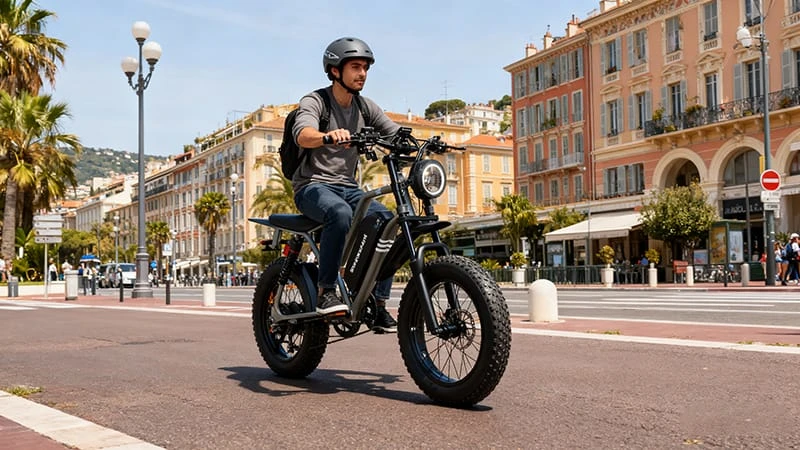
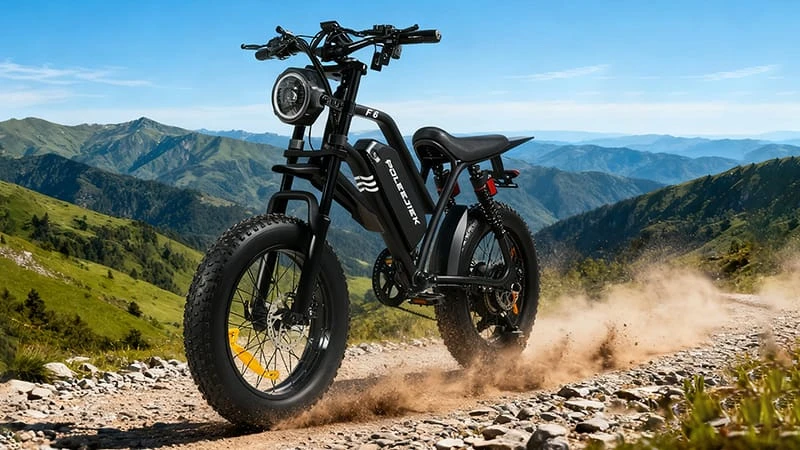
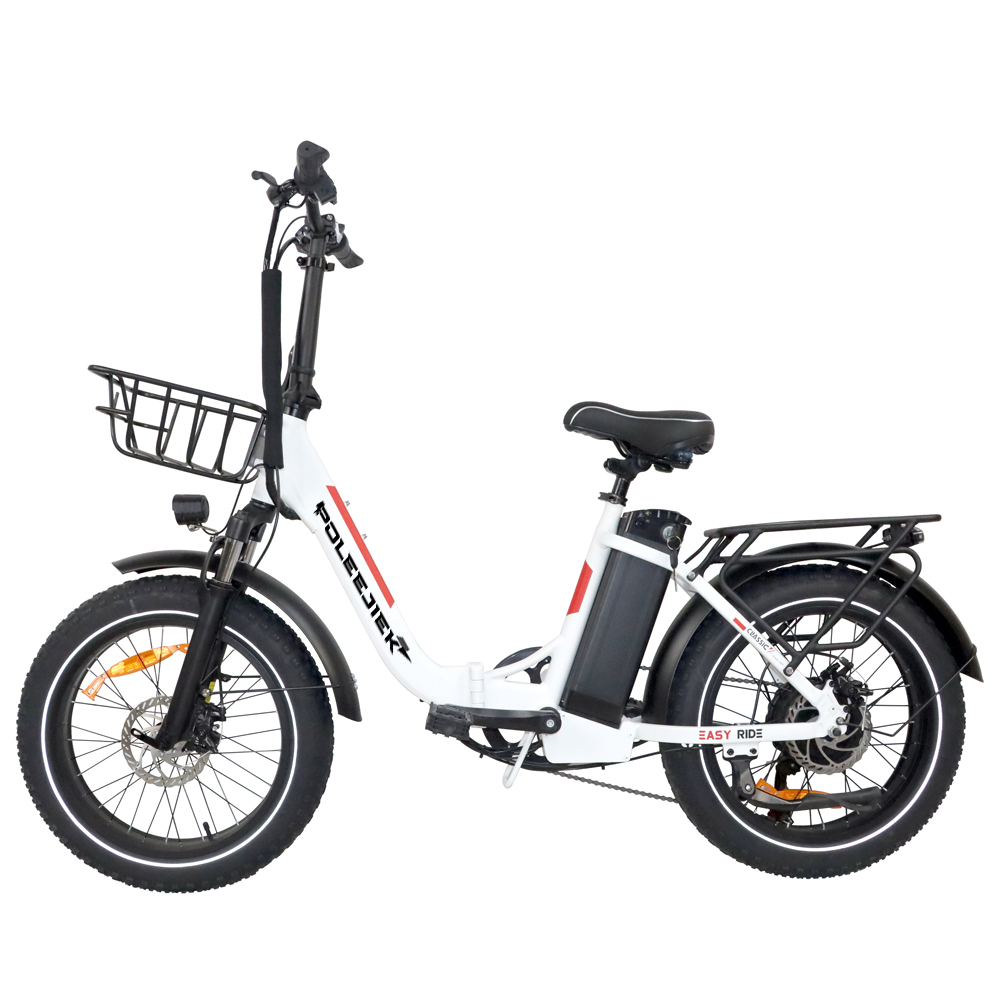
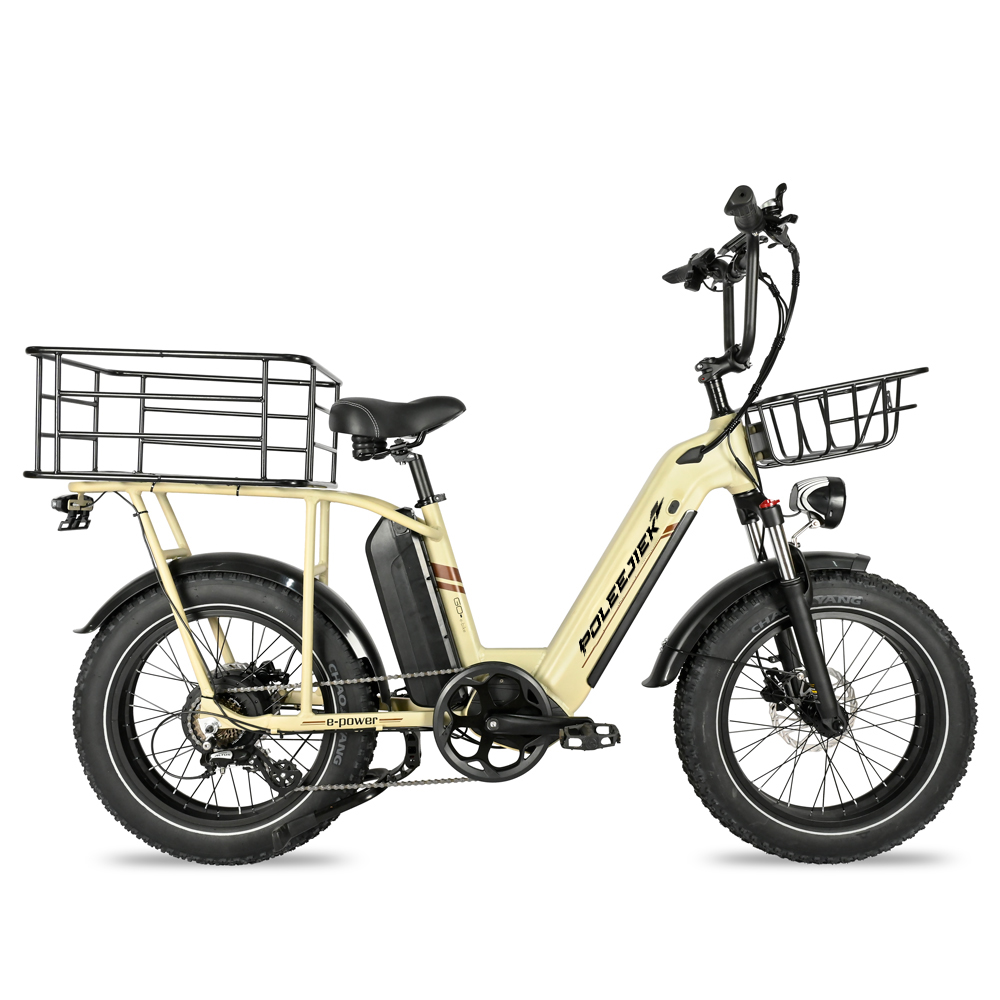
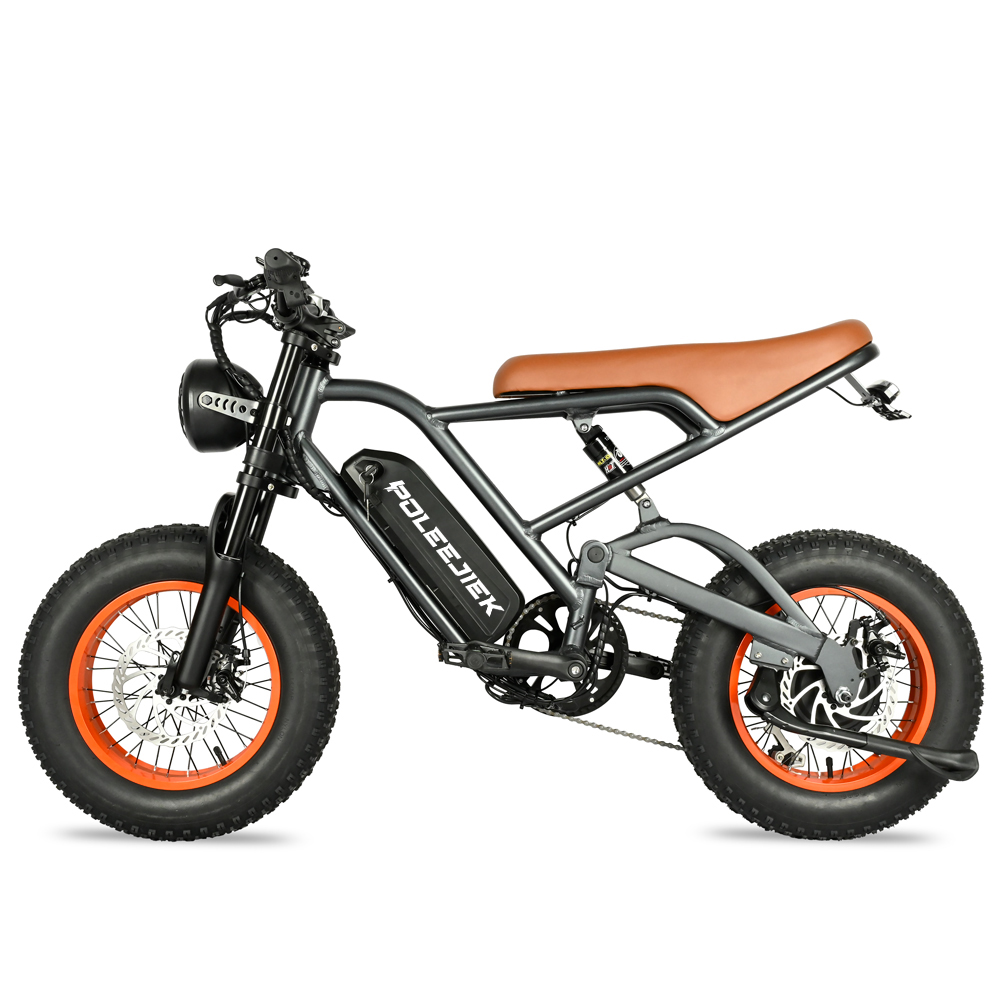
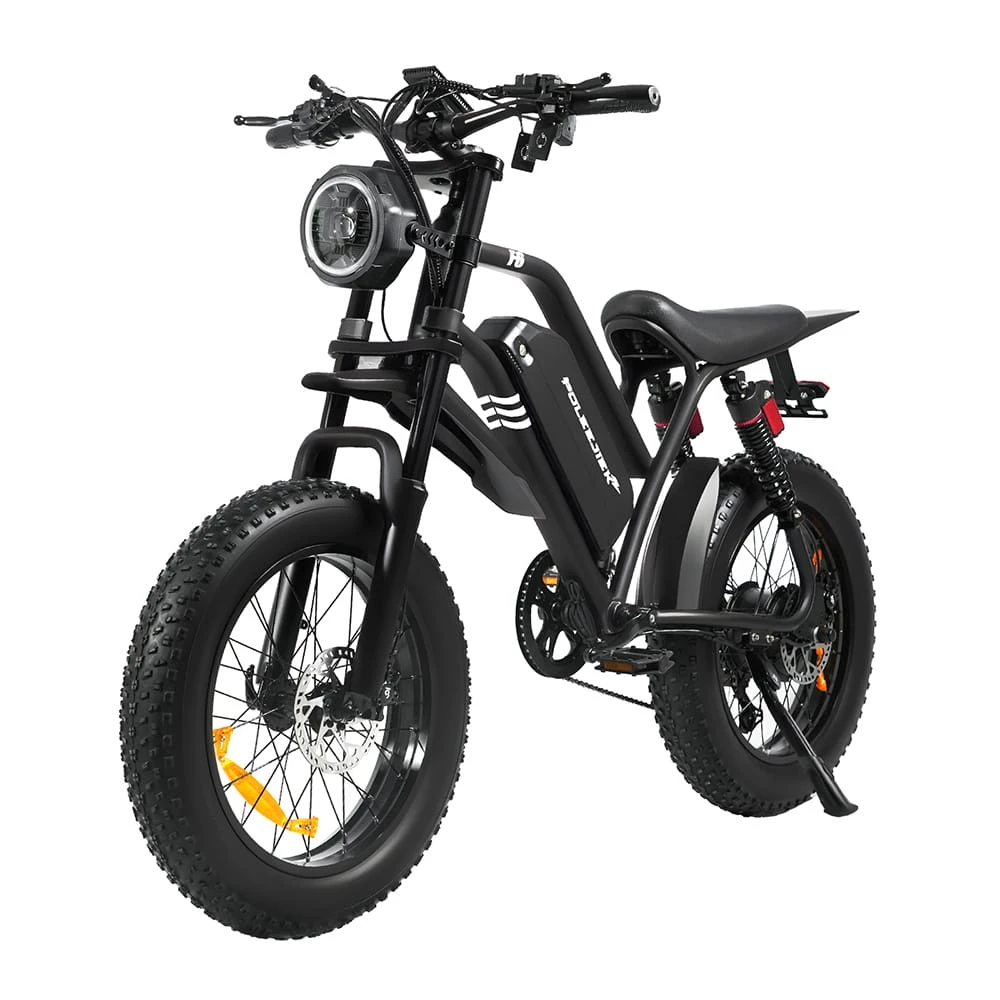
Because they are easy to operate and require no physical exertion to get moving, Class 2 bikes like the POLEEJIEK F6 are ideal for city commuting, delivery drivers, and riders who want a sweat-free journey.
3. Class 3: The "Speed Pedelec" (28 mph)
Class 3 e-bikes are built for speed. They provide pedal assistance up to 28 mph. However, most Class 3 bikes do not have a throttle (or the throttle cuts off at 20 mph). These are often used for longer suburban commutes but may be restricted from certain bike paths due to their higher speeds.
Can Electric Bikes Go Faster Than 28 mph?
Yes, they can—but there is a catch.
Electric bikes that exceed 28 mph are technically classified as "mopeds" or "electric motorcycles" in many jurisdictions. However, on private property or designated off-road trails, high-power e-bikes can reach much higher speeds.
For thrill-seekers, a 2000W electric bike (often called an "Outlaw" class) can reach speeds of 40 mph to 60 mph. These bikes are not street-legal in most bike lanes but offer incredible performance for off-road adventures.
Curious about high-performance models? Check out our deep-dive guide: How Fast and Far Can You Ride a 2000W Electric Bike?
What Factors Affect Your E-Bike Speed?
Even if your bike is capped at 20 mph, you might notice it feels slower on some days. Here is why:
- Battery Voltage: A 48V battery offers standard speed, while a 52V or 60V system provides more "punch" for acceleration.
- Rider Weight: A heavier load forces the motor to work harder, potentially reducing top speed on hills.
- Terrain: Climbing steep hills will naturally slow down a 250W or 500W motor. (This is why 750W Class 2 bikes are preferred for hilly areas).
- Tire Pressure: Under-inflated tires create drag, slowing you down significantly.
Conclusion: Which Speed is Right for You?
Choosing the right e-bike depends on where you plan to ride:
- Choose Class 1 or 2 (20 mph) if you want to ride legally on city streets, bike paths, and trails without a license. This is the best choice for general commuting.
- Choose a High-Power 2000W Bike if you have access to private land and want the thrill of off-road speed.
Ready to find your ride? Explore our collection of street-legal Class 2 Electric Bikes or contact us for wholesale inquiries on high-performance models.