Torque vs. Cadence Sensors: B2B E-Bike Fleet Tech Guide
By the POLEEJIEK Engineering Team | Specialists in EN 15194 & UL 2849 Compliant Systems.
The "heart" of any electric bike isn't just the motor—it's the Pedal Assist System (PAS). For B2B buyers, choosing between Torque Sensors and Cadence Sensors isn't a matter of preference; it's a decision that dictates your fleet's maintenance costs, rental pricing power, and user satisfaction.
The Technology: How PAS Defines the Ride
Unlike a throttle which acts like a switch, a Pedal Assist System (PAS) manages the relationship between human effort and motor output. A sensor detects pedal motion and signals the controller to release power.
For wholesale and OEM partners, the critical distinction lies in how that signal is generated. This choice fundamentally changes the Total Cost of Ownership (TCO) for your business.
Decision Matrix: Torque vs. Cadence for Business
Use this comparison to align your inventory with your target market's needs.
| Comparison Factor | Cadence Sensor (Speed) | Torque Sensor (Force) |
|---|---|---|
| How it Works | Magnets detect rotation. The motor turns on when you pedal, regardless of effort. | Strain gauges measure actual force. The harder you push, the more power you get. |
| Rider Experience | "Cruise Control" feel. Consistent power with minimal effort. | "Bionic Legs" feel. Intuitive, responsive, and natural. |
| Fleet Maintenance | Low Cost. Simple magnet disc is durable and cheap to replace ($10-$20 part). | Moderate Cost. Integrated bottom brackets are more complex to service. |
| Drivetrain Wear | Higher. On/Off power surges can wear chains faster if riders shift poorly. | Lower. Smooth power delivery reduces shock load on chains and gears. |
| Ideal B2B Use Case | Rental Fleets & Delivery. High reliability, low learning curve for tourists. | Premium Retail & eMTB. Necessary for high-end positioning (MSRP $2,000+). |
Torque sensors are generally 15-20% more energy-efficient than cadence sensors because they don't waste power when the rider is just "ghost pedaling" (spinning pedals without force). This is a key selling point for long-range touring models.
Matching Technology to Your Market
1. The Case for Cadence Sensors (Economy & Reliability)
For urban rental fleets or entry-level commuter brands, the Cadence Sensor is king.
- Lower BOM Cost: Reduces manufacturing cost, allowing for competitive wholesale pricing.
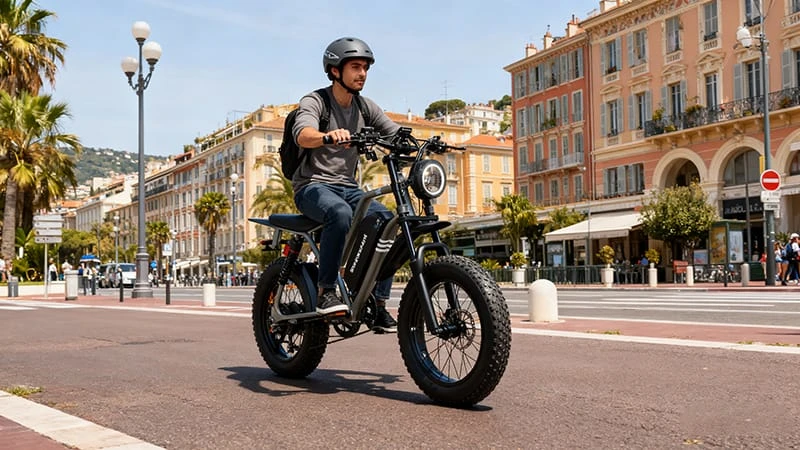
- Ease of Use: Tourists or elderly riders appreciate that they can get full power just by spinning the pedals slowly, without needing strong leg muscles.
- Durability: POLEEJIEK uses sealed 12-magnet cadence sensors that resist water and dirt ingress, essential for shared mobility.
2. The Case for Torque Sensors (Performance & Premium)
For eMTB brands or high-performance road e-bikes, a Torque Sensor is non-negotiable.
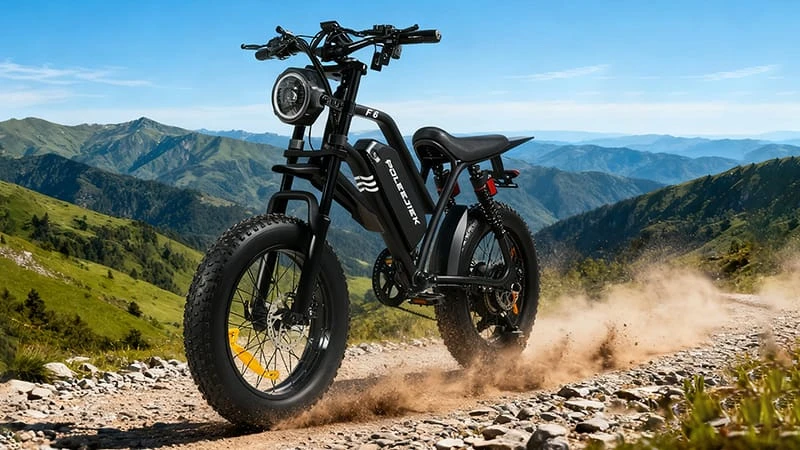
- Safety on Trails: In technical off-road terrain, power must be instant. A delay (common in cadence sensors) can cause accidents on steep climbs.
- Higher MSRP Potential: Experienced cyclists are willing to pay a 30%+ premium for the "natural feel" of torque sensing.
Partner Success: Urban-Glide Mobility Solutions
"We switched to POLEEJIEK's cadence-sensor spec for our Chicago rental fleet last year. The simpler mechanics reduced our downtime by 15% compared to our previous torque-sensor fleet, which required frequent calibration. For mass-market rentals, simplicity is profitability."
— David Chen, Operations Director
POLEEJIEK OEM Configurations
We customize the drive system to match your specific compliance and market requirements.
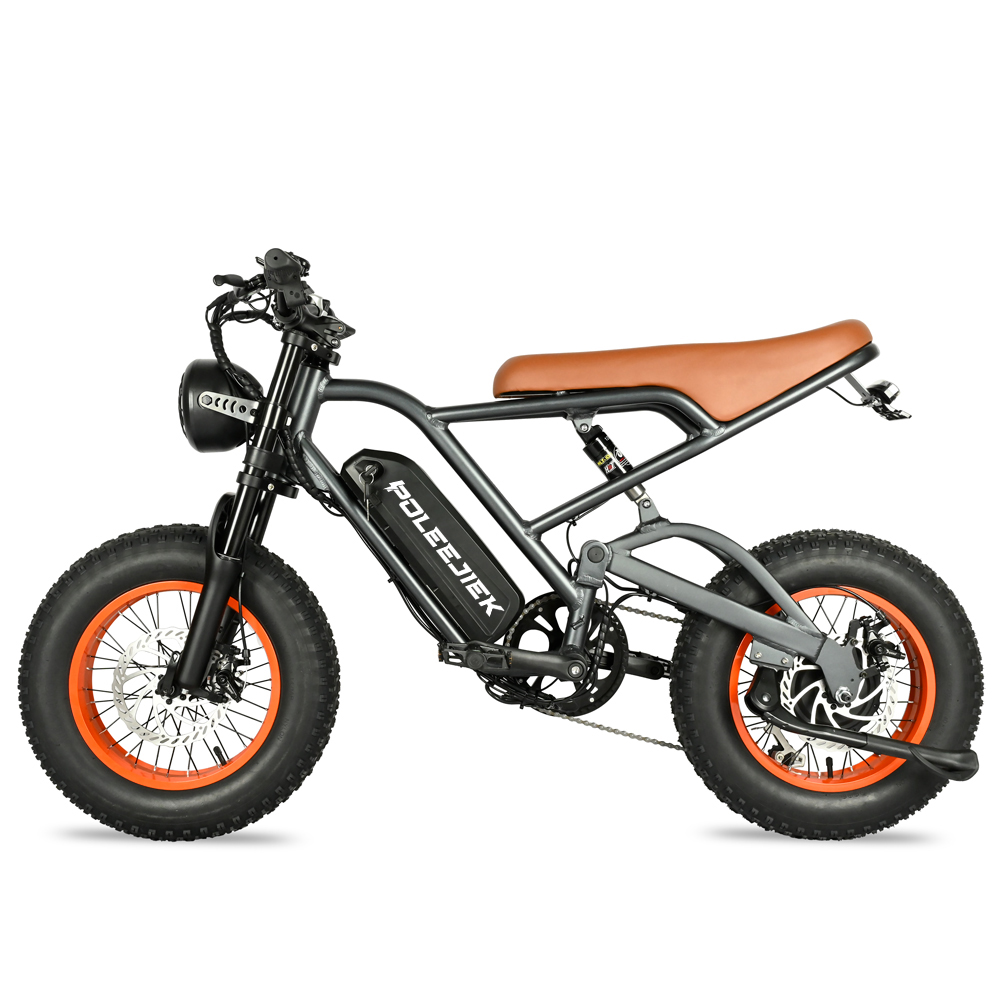
- BLJ-2620 (Mid-Drive eMTB): Equipped with a 95Nm Torque Sensor for aggressive trail riding. Fully EN 15194 certified.
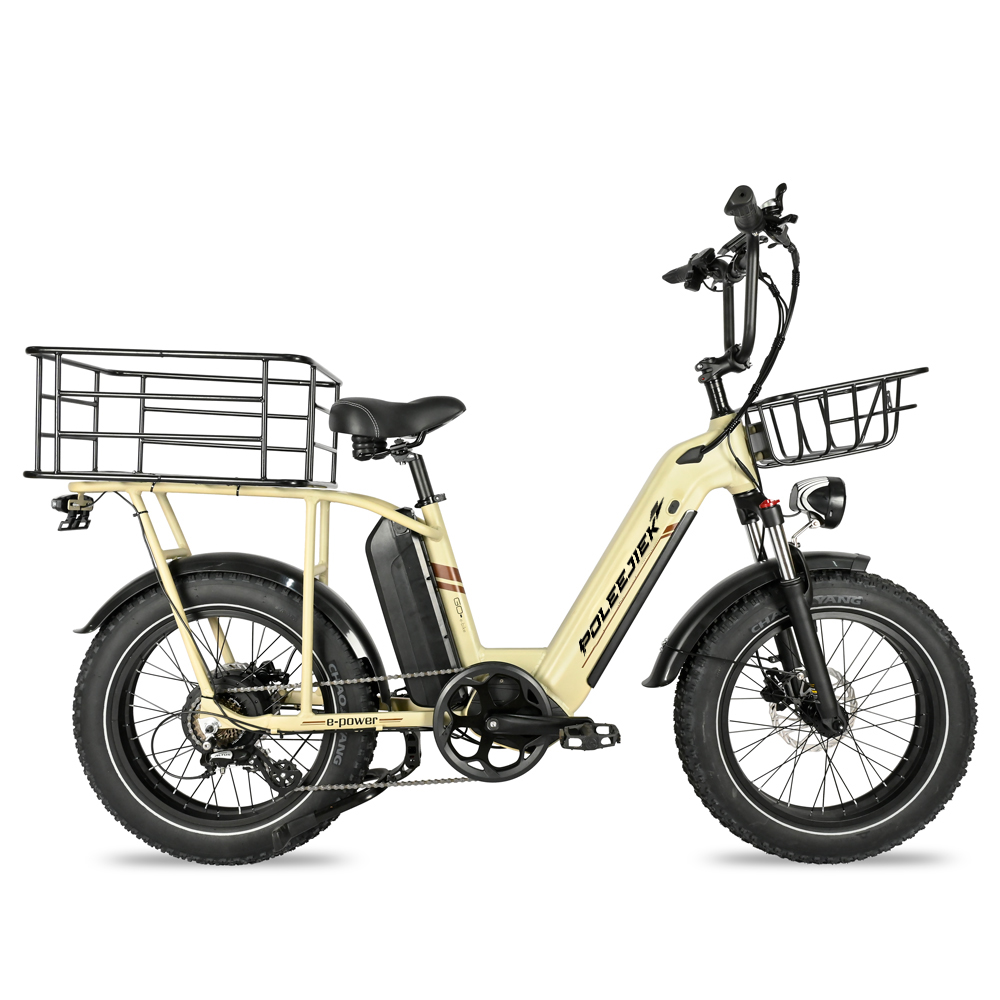
- BLJ-2013 (Cargo/Delivery): Uses a heavy-duty Cadence Sensor tuned for instant startup torque—perfect for delivery riders carrying heavy loads from a dead stop.
Unsure which system fits your business model?
Consult Our Engineering Team